Can I get behavioral advice for my exotic pet?
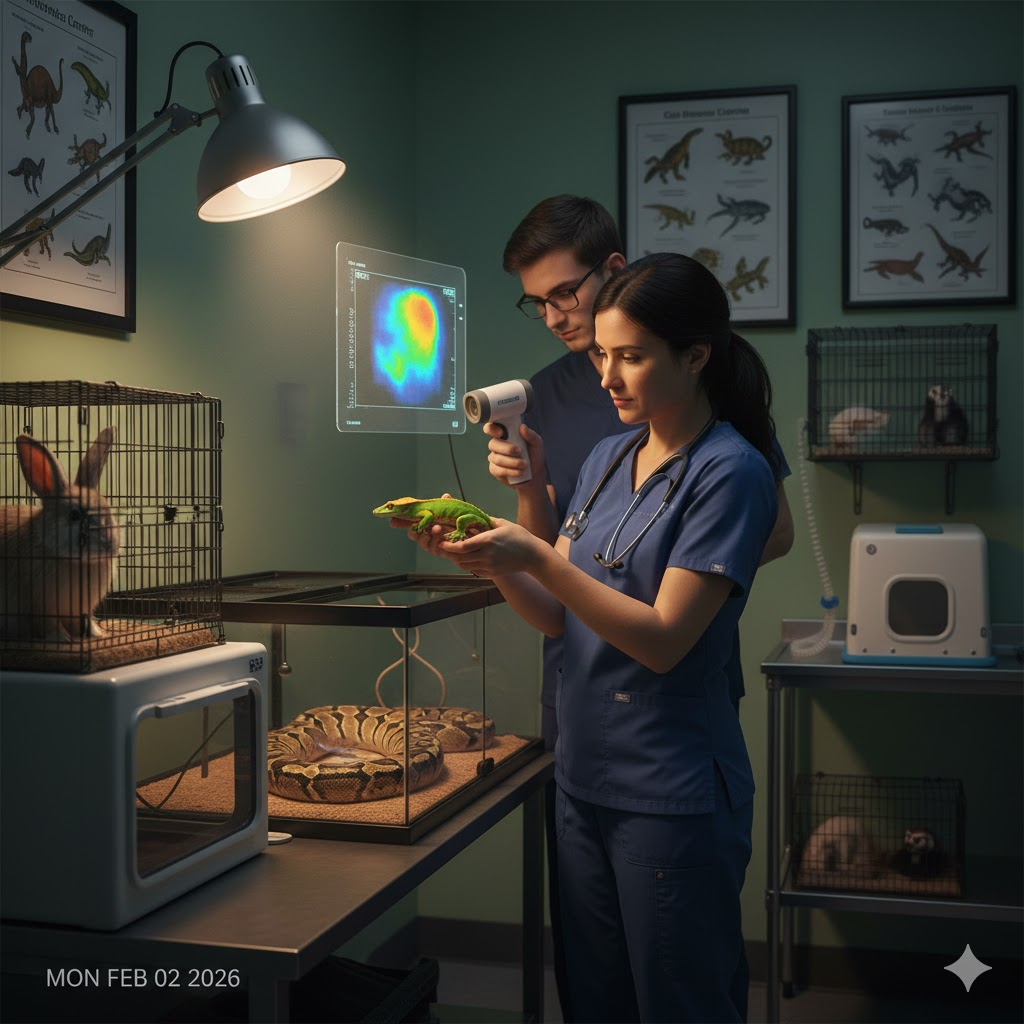
In the heart of Story County, as the 2026 spring winds whip across the Iowa prairie, a quiet revolution is happening within the walls of our specialized care wards. While many believe that veterinary medicine begins and ends with a stethoscope and a syringe, we have found that the most profound healing often starts with a conversation about the mind. Behavioral health is just as important as physical health for non-traditional pets. At Pet Medical Center, we provide behavioral consultations to help improve your relationship with your exotic companion and enhance their well-being. Whether you are dealing with a rabbit that is displaying aggression or a reptile that is stressed by its enclosure, our team can offer insights into species-specific behaviors and environmental enrichment. We understand the "soul" behind the science, and our goal is to help Ames pet owners create a stress-free environment that meets their pet's instinctual needs. This holistic approach helps prevent many stress-related illnesses common in captive exotic animals.
Think of a floral moisture-sealant like a lightweight raincoat for a petal; it doesn't change the flower, but it protects its delicate internal structure from harsh external forces. Behavioral advice acts as that raincoat for your exotic pet. By identifying and sealing off the "leaks" in their environment—such as improper lighting for a bearded dragon or lack of foraging opportunities for a cockatiel—we protect their delicate immune systems from the corrosive effects of chronic stress. In the year 2026, we recognize that an animal that is mentally frustrated is an animal that is physically vulnerable. Our exotic pet care services are designed to bridge the gap between human expectation and animal instinct, ensuring that your home in Ames becomes a true sanctuary.
The Psychology of Captivity: Why Behavioral Advice Matters in 2026
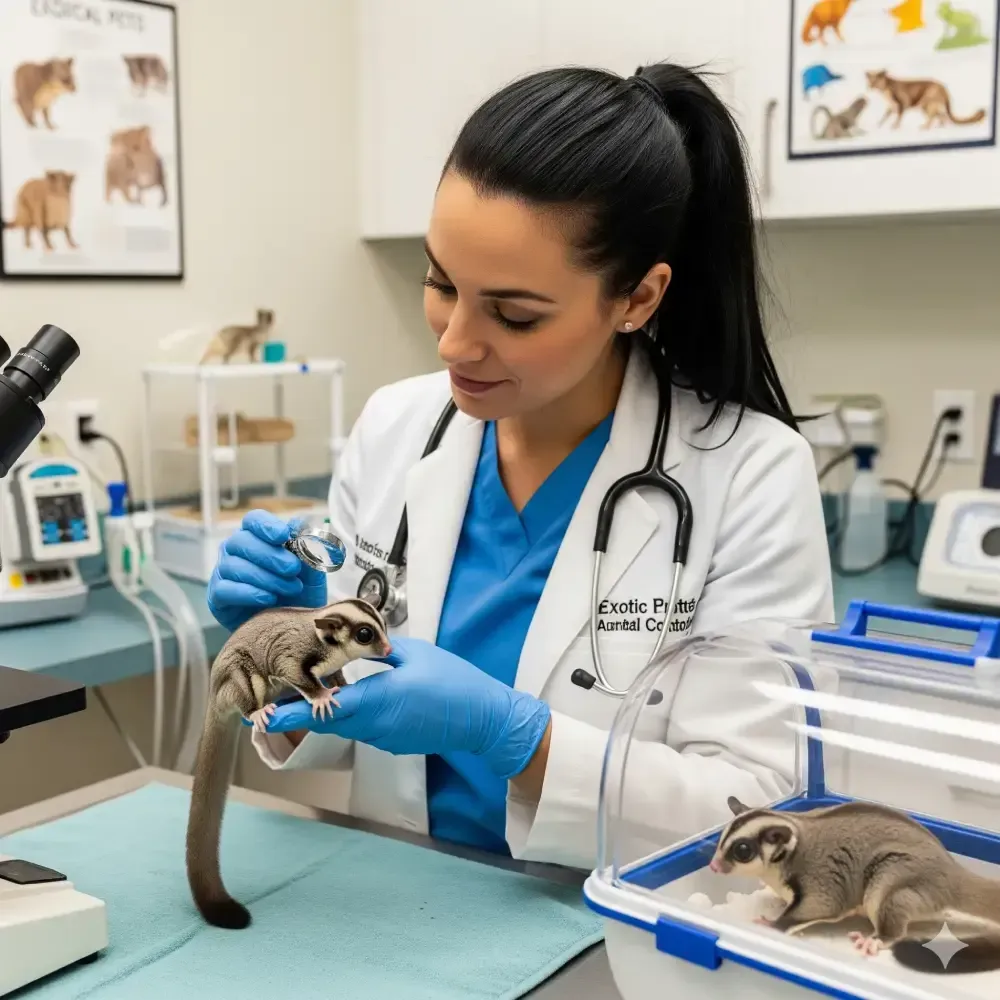
Exotic pets are often only a few generations removed from their wild ancestors. Unlike dogs, who have been bred for thousands of years to understand human cues, a sugar glider or a ball python still operates on a prehistoric biological clock. When these instincts are ignored, the result is "maladaptive behavior."
The Link Between Stress and Immuno-Suppression
In the specialized field of exotic animal medicine, we often see pets presented for "not eating" or "lethargy." Upon physical examination, we may find a secondary infection. However, the root cause is frequently behavioral stress. When a bird is kept in a high-traffic area of an Ames home with no place to hide, its body produces constant cortisol. This hormone acts like a slow-burning fire, eventually weakening the immune system to the point where a common bacterium becomes a deadly threat. Our behavioral advice aims to extinguish that fire before it causes physical damage.
Decoding Aggression in Small Mammals
Rabbits and guinea pigs are prey species. In 2026, we still see many owners who are confused when their "cuddly" bunny lunges or bites. Our consultations help owners realize that this isn't "mean" behavior; it is a defensive reaction. We analyze the "territorial mapping" of your pet’s living space. Often, simply changing how you approach their enclosure or providing more "exit routes" can transform a terrified, aggressive pet into a confident companion.
Environmental Enrichment: Engineering a Stimulating Ames Home
Ames is a city of researchers and thinkers, and we believe your pet's environment should reflect that same intellectual engagement. Enrichment isn't just about toys; it’s about providing opportunities for "species-typical" behaviors.
Foraging for Health
In the wild, a parrot or a ferret spends up to 80% of its waking hours searching for food. In a typical home environment, we provide food in a bowl, which takes approximately five minutes to consume. This leaves 12 hours of "empty time" that often leads to self-destructive behaviors like feather plucking or repetitive pacing. We provide 2026-standard foraging strategies, such as:
- Puzzle Feeders: Requiring manipulation to release seeds or pellets.
- Hidden Caches: Placing food in various locations around a reptile’s enclosure to encourage movement.
- Destructible Foraging: Using bird-safe woods and papers that allow for natural shredding instincts.
The Vertical World: Climbing and Perching
For many of our exotic patients, "safety" is found in height. In our behavioral sessions, we look at the verticality of your pet’s living space. For a bearded dragon, this might mean a specific gradient of basking platforms. For a chinchilla, it means a multi-level habitat that allows for the high-energy jumping they would perform in the Andes.
Species-Specific Behavioral Profiles
Every exotic pet has a unique "behavioral thumbprint." At Pet Medical Center, we tailor our advice based on the evolutionary history of each species.
Species Group
Common Behavioral Challenge
2026 Enrichment Strategy
Behavioral Goal
Small Psittacines (Birds)
Excessive vocalization / Plucking
Auditory stimulation & complex foraging
Reduced anxiety
Squamates (Reptiles)
Lethargy / Refusal to eat
Dynamic lighting & thermal gradients
Natural metabolic rhythm
Lagomorphs (Rabbits)
Destructive chewing
Digging boxes & safe wood varieties
Channeling instinctual energy
Mustelids (Ferrets)
"Cage Rage" / Biting
Supervised "free-roam" & tunnel systems
Intellectual satisfaction
The Impact of Iowa Seasons on Exotic Behavior
Ames pet owners face unique challenges due to our extreme weather shifts. The "winter blues" aren't just for humans; they significantly impact exotic pet behavior.
Dealing with the "Indoor Winter"
From November to March, our homes are tightly sealed against the Iowa cold. This leads to a drop in humidity and a lack of natural sunlight. Many reptiles and birds become lethargic or display "seasonal irritability." Our 2026 behavioral advice includes strategies for supplemental lighting (UVA/UVB) that mimics the photoperiod of their natural habitat, helping to maintain their circadian rhythm even when it’s -10°C outside.
Springtime Hormones
As the days lengthen in Story County, many exotic pets experience a massive surge in reproductive hormones. This is a primary cause of sudden behavioral changes in parrots and iguanas. We help you navigate this "hormonal season" by adjusting diet, light exposure, and how you interact with your pet to minimize frustration and territoriality.
Navigating the Human-Animal Bond
The most important part of our behavioral consultation is you. We view the relationship between an Ames pet owner and their exotic companion as a partnership that requires a shared language.
Trust-Building Exercises
For many non-traditional pets, the human hand is a terrifying predator. We teach "positive reinforcement" techniques that are common in 2026 zoo medicine but are just now becoming standard in home care. Using target training—where a pet touches a stick for a reward—allows you to move your pet without the stress of chasing or grabbing them.
Recognizing Subtle Cues
Exotic pets are masters of disguise. In our consultations, we teach you to "read" your pet. Is that rabbit's "thump" a warning or a play request? Is that bird's eye-pinning a sign of excitement or impending aggression? Understanding these micro-expressions is the key to preventing "surprising" behavioral outbursts.
The Holistic Connection: Behavioral Health as Preventative Medicine
In 2026, Pet Medical Center is committed to the idea that a happy mind leads to a healthy body. This isn't just a philosophy; it’s a medical reality.
Preventing Stasis and Blockages
In rabbits and guinea pigs, stress is a direct trigger for GI stasis—a life-threatening condition where the digestive system stops moving. By providing behavioral advice that reduces environmental stress, we are directly preventing emergency surgery.
Dermatological Health
In many reptiles and birds, "skin issues" or "feather loss" are purely behavioral. An anxious bird will over-groom until it bleeds; a stressed snake may have difficulty shedding (dysecdysis). Our holistic approach ensures that we aren't just treating the skin with ointments, but treating the mind that is causing the irritation.
What Happens During a Behavioral Consultation?
When you bring your exotic companion to our Ames facility for behavioral help, we follow a structured, compassionate process.
Step 1: Physical Rule-Outs
Before we label a behavior as "psychological," we must ensure it isn't "physiological." A lizard that is aggressive may simply be in pain from a metabolic bone disease. We perform a thorough exam at our exotic pet clinic to ensure your pet is physically sound before we move to behavioral modification.
Step 2: Environmental Audit
We ask for photos or videos of your pet's enclosure in your Ames home. We look for "stressors" you might not notice: the sound of a nearby television, the sight of a predatory pet (like a cat) through the glass, or a draft from a nearby window.
Step 3: The Modification Plan
We provide a written "action plan" that includes specific enrichment items, changes to handling techniques, and perhaps adjustments to the pet's diet or light cycle. We prioritize value-based solutions—often, the best enrichment items are things you already have in your recycling bin!
The Future of Exotic Pet Care in Ames
As we look further into 2026 and beyond, the integration of behavioral science into veterinary medicine will only grow. At Pet Medical Center, we are proud to be the authoritative voice for non-traditional pets in Central Iowa. We aren't just here to fix problems; we are here to enhance lives.
We understand the unique joy that comes from the bond with a "different" kind of pet. Whether it’s the quiet companionship of a tortoise or the vibrant energy of a conure, your pet's mind is a complex and beautiful thing. Our team is dedicated to helping you understand it.