Can I get behavioral advice for my exotic pet?

Michael Rayburn • February 9, 2026

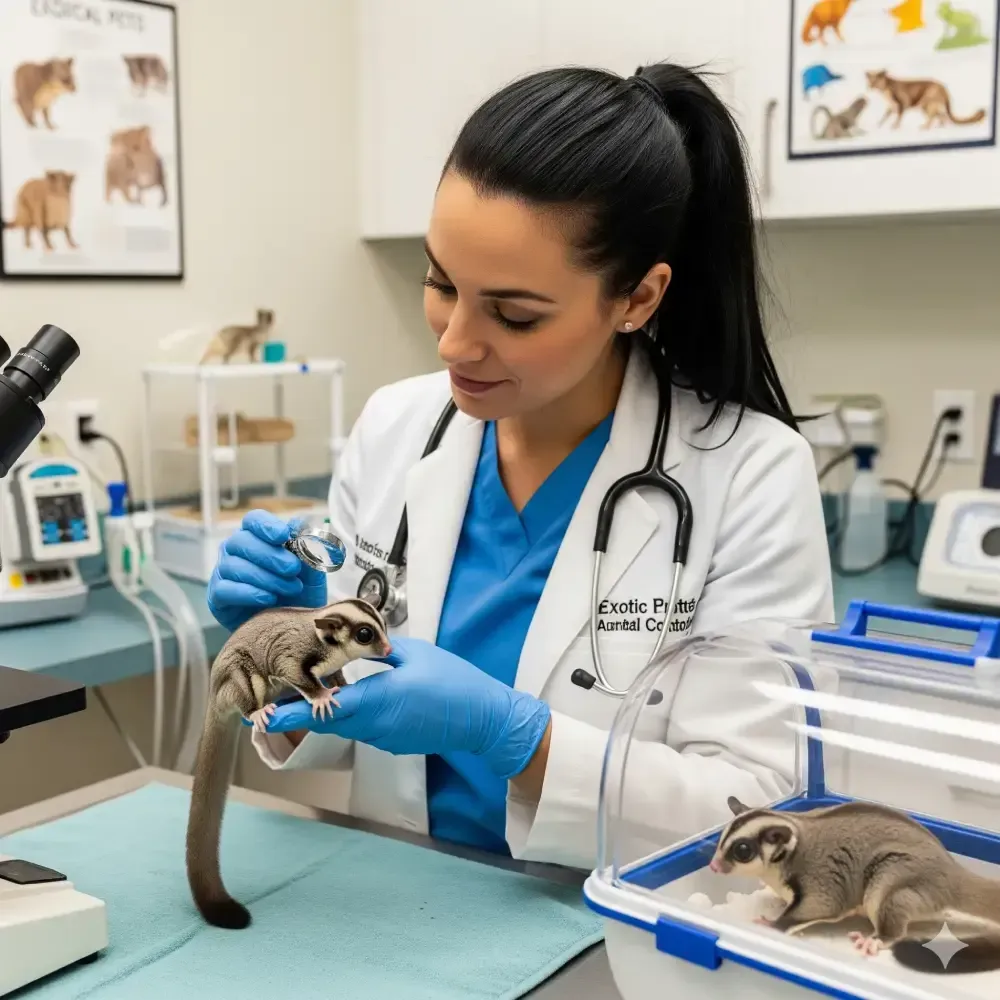
You are sitting in your sun-drenched breakfast nook in Ames, Iowa, watching your rabbit, Barnaby, through the glass of his enclosure. For months, Barnaby was the picture of a gentle companion, twitching his nose contentedly whenever you approached with a fresh slice of bell pepper. But lately, something has shifted. When you reach in to tidy his bedding, he lunges with a sharp grunt. When you try to entice him out for floor time, he thumps his back leg with enough force to vibrate the floorboards and retreats into the darkest corner of his hutch. You’ve checked his physical health—his eyes are bright, and his appetite for Timothy hay remains voracious—but the bond between you feels frayed. You find yourself wondering if you’ve done something wrong, or if your "extraordinary" pet has simply decided he no longer enjoys your company.

This scenario is far more common than many Ames pet owners realize. In the high-tech, fast-paced world of 2026, we have mastered the art of physical veterinary care for non-traditional species, but the "soul" behind the science—the behavioral health of the animal—is often the missing piece of the puzzle. At Pet Medical Center, we believe that a pet that isn't mentally thriving isn't truly healthy. Behavioral consultations are a cornerstone of our exotic pet services, designed to bridge the communication gap between humans and the fascinating, non-traditional creatures that share our homes. Whether you are dealing with a defensive reptile or a frustrated ferret, understanding the "why" behind the "what" is the first step toward a harmonious household.

The Instinctual Blueprint: Why Exotic Behavior Differs

To understand an exotic pet, you must first acknowledge that they are not "small dogs" or "unusual cats." Most exotic pets—rabbits, guinea pigs, lizards, and small rodents—are either "prey" species or highly specialized predators. Their brains are wired for survival in environments that are vastly different from a quiet suburban home in Story County.

Think of your exotic pet’s brain like an older computer operating system that is incredibly efficient at one specific task: staying alive. In the wild, a rabbit that isn't hyper-aware of its surroundings becomes a meal. A lizard that doesn't guard its basking spot loses its ability to digest food. When these animals move into our homes, those ancient "apps" are still running in the background. What we perceive as "aggression" is often just a survival instinct triggered by something in their environment that feels like a threat. At Pet Medical Center, our behavioral advice starts by decoding these instinctual blueprints so you can stop viewing your pet’s actions as "bad" and start seeing them as "communication."

Environmental Enrichment: The Antidote to Captive Stress

One of the primary reasons Ames pet owners seek behavioral advice is due to stress-related illness. In the wild, an exotic pet’s day is filled with "tasks": foraging for food, navigating complex terrain, avoiding predators, and seeking out the perfect temperature. In captivity, we often remove all these tasks. We put the food in a bowl, provide a single hiding box, and keep the temperature at a steady 72 degrees.

While this sounds like a luxury life, for an exotic animal, it can lead to profound boredom and "learned helplessness." Imagine if you were confined to a single room with nothing but a bed and a plate of crackers delivered at the same time every day. Eventually, you would become irritable, lethargic, or perhaps even destructive. This is where environmental enrichment comes in. It is the practice of adding "jobs" back into your pet’s life.

Foraging as Mental Exercise

Instead of putting all your guinea pig’s greens in a bowl, we might suggest hiding them inside a cardboard tube stuffed with hay. This forces the animal to use its nose and paws to "earn" its meal, mimicking the natural act of foraging.

Vertical and Horizontal Space

For reptiles, the "behavioral landscape" is crucial. A snake that only has a flat floor and one hide-box is living in a two-dimensional world. We might advise adding branches or ledges to encourage climbing, which builds muscle tone and provides mental stimulation as they navigate different heights and thermal gradients.

The Hidden Link Between Environment and Illness

In the veterinary landscape of 2026, we have a much deeper understanding of the "mind-body" connection in animals. Chronic stress isn't just a mental state; it is a physical poison. When an animal feels constantly threatened or bored, their body releases high levels of cortisol. This hormone, while useful for a quick "fight or flight" moment, is devastating when it stays in the system long-term.

Chronic stress suppresses the immune system, making your pet more susceptible to respiratory infections, skin issues, and digestive slowdowns. In rabbits and guinea pigs, stress can even lead to "G.I. Stasis," where the digestive tract simply stops moving. By seeking behavioral advice at Pet Medical Center, you aren't just improving your pet's mood; you are literally performing preventative medicine. A stress-free environment is often the best defense against the most common illnesses we see in our Ames clinic.

Species-Specific Behavioral Profiles

Every exotic pet has a unique "social language." Part of our role at Pet Medical Center is acting as a translator for these distinct dialects.

Species

Common Behavioral Challenge

The "Why" Behind the Behavior

Rabbits

Thumping or Lunging

Territoriality or fear; they are protecting their "burrow" from perceived intruders.

Bearded Dragons

Glass Surfing (scratching at the tank)

Boredom, incorrect temperature, or seeing a reflection they perceive as a rival.

Ferrets

Nipping or "War Dancing"

High-energy play; they are testing boundaries and social hierarchies.

Guinea Pigs

Hiding or Wheeking loudly

Highly social and vocal; they use sound to demand attention or signal extreme caution.

Ball Pythons

Refusing to eat

Stress from over-handling or an enclosure that lacks enough "security" hides.

The "Soul Behind the Science": Creating a Holistic Connection

At Pet Medical Center, we understand that Ames pet owners don't just want a healthy animal; they want a friend. Our goal is to help you create a stress-free environment that meets your pet's instinctual needs. This holistic approach is what sets us apart. We don't just look at the scales or the fur; we look at the interaction.

When you come in for a behavioral consultation, we might ask you to bring videos of your pet’s enclosure and their behavior at home. We look for "micro-stressors" that a human might miss. Is the rabbit's cage near a loud television? Is the lizard's tank in a high-traffic hallway where shadows constantly flicker past? Is the ferret getting enough "out-of-cage" time to satisfy its predatory curiosity? By addressing these small details, we can often see a dramatic shift in the pet’s demeanor within just a few weeks.

The Impact of Ames Architecture and Local Environment

The physical environment of your home in Ames can play a surprising role in your pet’s behavioral health. Many residents live in older brick homes found in the area, which are beautiful but can have specific challenges for exotic pets.

Vibrations and Noise

Older homes often have wooden floorboards that transfer vibrations more easily than modern concrete slabs. For a prey animal like a rabbit or a hamster, the vibration of a heavy footstep or a vacuum cleaner can feel like a predator approaching. We might advise placing the enclosure on a "vibration-dampening" mat to help the pet feel more secure.

Drafts and Temperature Micro-Climates

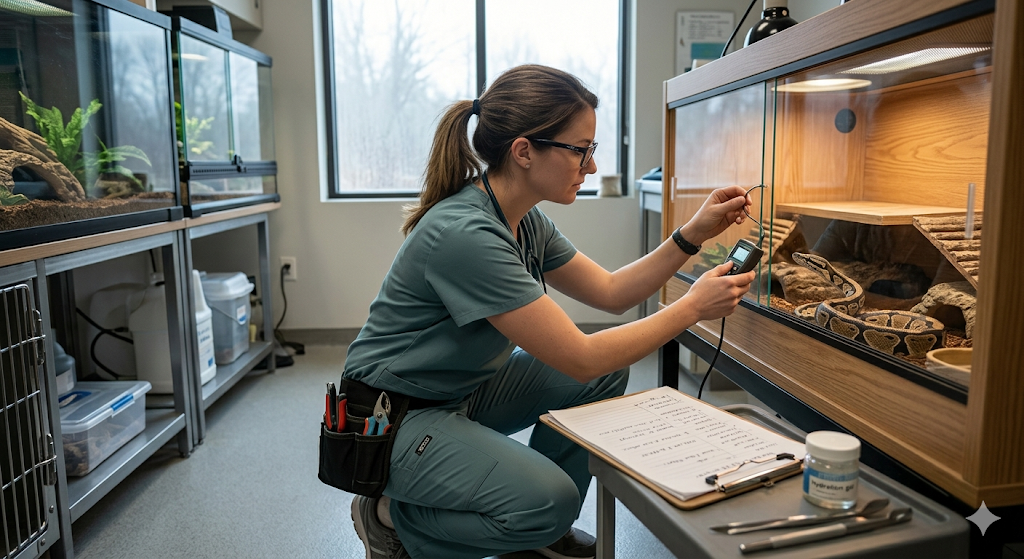
Iowa weather is famous for its extremes. In the winter of 2026, even the best-insulated homes in Story County can have "draft zones" near windows or doors. A reptile that feels a cold draft may become lethargic and stop eating, which is often misidentified as a "bad mood." We help you use high-tech thermal sensors to ensure your pet’s environment remains a stable "tropical oasis" even when there’s a blizzard outside.

The Process: What a Behavioral Consultation Looks Like

When you schedule behavioral advice at Pet Medical Center, the process is much more than a simple Q&A. It is a deep dive into your pet’s world.

Step 1: The History and Lifestyle Audit

We start with a thorough investigation of your pet’s daily routine. When do they wake up? When do they eat? What is the "social hierarchy" of the home? We even look at the lighting cycles. For many exotics, a "biological clock" that is out of sync with the sun can lead to extreme irritability.

Step 2: The Physical Rule-Out

Before we decide a behavior is purely mental, we must ensure it isn't a reaction to hidden pain. A rabbit that lunges when you touch its back might actually have undiagnosed arthritis. A lizard that is "glass surfing" might have an internal parasite causing discomfort. We combine our behavioral advice with a physical check-up to ensure we are treating the root cause.

Step 3: The Enrichment Prescription

Instead of just giving you a list of "don'ts," we give you a list of "dos." We might prescribe "puzzle feeders," suggest new types of bedding that encourage natural digging behaviors, or advise on "target training"—a 2026 technique where you use a small stick to guide your pet, turning a stressful interaction into a fun game for treats.

The Role of "Target Training" and Positive Reinforcement

In the past, people thought you couldn't "train" a lizard or a hamster. In 2026, we know that's simply not true. Every animal with a brain can learn through positive reinforcement.

Target training involves teaching your pet to touch their nose to a specific object (like the end of a chopstick) in exchange for a high-value treat. For an aggressive rabbit, this changes the dynamic of your interaction. Instead of you "intruding" into their space, you are inviting them to participate in a game where they have control and get a reward. This builds confidence and reduces the "fear-aggression" cycle. We love teaching Ames owners how to use these techniques to turn a "difficult" pet into a cooperative partner.

Managing Multi-Pet Households in Ames

Ames is a city of animal lovers, and many households include a mix of traditional and non-traditional pets. This creates a complex "behavioral soup." A dog’s playful bark might be a terrifying "death knell" to a guinea pig. Even the smell of a cat on your hands can cause a reptile to go into hiding.

We provide specific advice on "olfactory management"—ensuring that you are neutralizing the scents of other animals before interacting with your exotic pet. We also discuss "sight-line management," making sure that your prey animals don't have a direct view of the family cat’s favorite lounging spot. Creating "layers of safety" in your home is essential for a stress-free exotic life.

The Long-Term Benefits of Behavioral Health

When you invest in behavioral advice, the rewards are measured in years, not just days. A pet that is mentally stimulated and stress-free is a pet that lives longer.

Benefit

How it Works

Analogy

Stronger Immune System

Lower stress hormones mean the body can fight off infections naturally.

It's like having a full battery on your phone; all the apps run better.

Reduced Destructive Behavior

Boredom is the main cause of chewing furniture or digging up carpets.

If you give a toddler a coloring book, they won't draw on the walls.

Enhanced Bond

You learn to "read" your pet, leading to a relationship based on trust.

It's like learning a second language; the conversation finally makes sense.

Easier Medical Care

A pet that trusts you is easier to examine and medicate if they do get sick.

A calm passenger makes the car ride much smoother for everyone.

Maintenance vs. Repair: Behavioral Edition

Many people wait until their pet is biting or self-mutilating (like a bird plucking feathers or a rodent over-grooming) before they seek help. In the world of 2026, we advocate for "Maintenance Behavioral Health."

Just like you get the oil changed in your car before the engine seizes, you should discuss your pet’s behavior during every wellness visit at Pet Medical Center. A subtle change—like a hamster running less on its wheel or a snake becoming more "reclusive"—is often the first sign that the environment needs a "tune-up." Catching these issues in the "maintenance" phase is much easier than trying to "repair" a deeply ingrained behavioral habit later on.

The Social Soul of "Pocket Pets"

Rats, ferrets, and guinea pigs are incredibly social creatures. In Ames, we often see behavioral issues that stem simply from "loneliness." A single rat living in a cage, no matter how large, is a rat in isolation.

We provide advice on the "social architecture" of these species. This includes how to safely introduce a new companion, how to manage social hierarchies, and how to provide "human-as-companion" interaction if a second pet isn't an option. Understanding that these pets have social "needs" that are just as vital as their need for water and food is a key part of our holistic philosophy.

Common Myths About Exotic Behavior

As experts in the Ames community, we often have to debunk some common "tech-talk" myths that have persisted for years.

  • Myth: "My lizard is just mean." Truth: Lizards don't have "mean" personalities; they have "defensive" reactions. If a lizard is biting, they are likely feeling cornered or their enclosure is too small to provide a "safe exit."
  • Myth: "Rabbits are low-maintenance cage pets." Truth: Rabbits are as complex as dogs. They require hours of social interaction and "free-roam" time to stay mentally healthy.
  • Myth: "If my hamster is biting, I should tap it on the nose." Truth: Punishment never works for exotic pets. It only reinforces their belief that you are a predator, making the biting worse. Positive reinforcement is the only path to change.

The "What Happens Next" Following a Consultation

After a behavioral consultation at Pet Medical Center, you won't leave with just a pat on the back. We provide a customized "Enrichment Blueprint" for your Ames home.

  1. Enclosure Audit: Specific changes to the lighting, humidity, or layout of the tank or hutch.
  2. Activity Schedule: A plan for foraging, play, and "bonding time" that fits into your 2026 lifestyle.
  3. Communication Cues: A list of body language signs to watch for so you know when your pet is happy, tired, or needs space.
  4. Follow-Up: Behavioral change takes time. We stay in touch to tweak the plan as your pet responds to the new environment.

Conclusion: Transforming "Exotic" into "Family"

Your exotic pet is a marvel of nature, a tiny piece of the wild that has come to live in the heart of Iowa. They bring a unique beauty and a fascinating perspective to our lives. But that beauty comes with a responsibility—the responsibility to understand their "soul" as well as their science.

By seeking behavioral advice at Pet Medical Center, you are honoring that responsibility. You are moving past the "pet-as-decoration" model and embracing a true partnership. Whether you are walking through the historic neighborhoods of Ames or enjoying the modern parks of Story County, you can take pride in knowing that your home is a sanctuary that meets every instinctual need of your extraordinary companion.

Let’s turn those lunges back into nose-twitches and those thumps back into "binkies" (the joyous jumps rabbits do when they are happy). Your pet has a lot to say; let us help you learn to listen.
By Michael Rayburn February 9, 2026
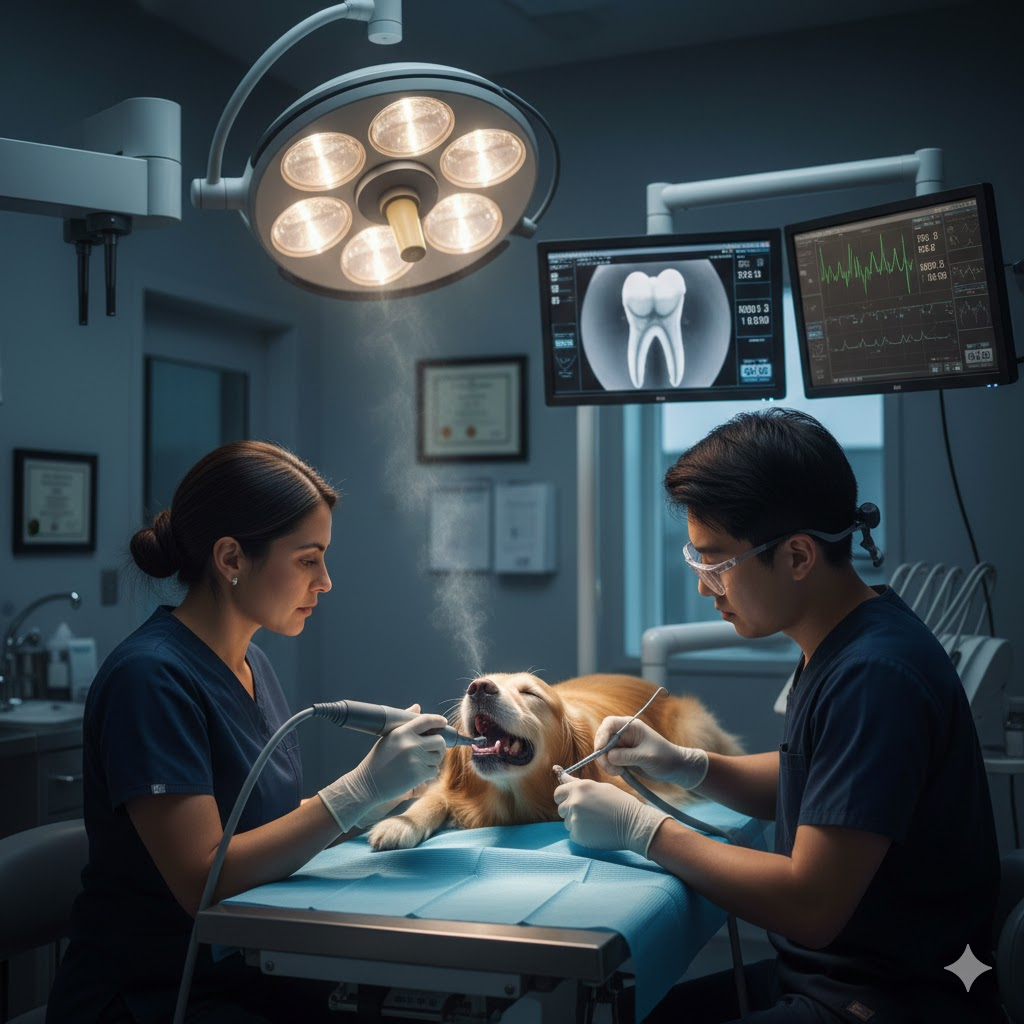
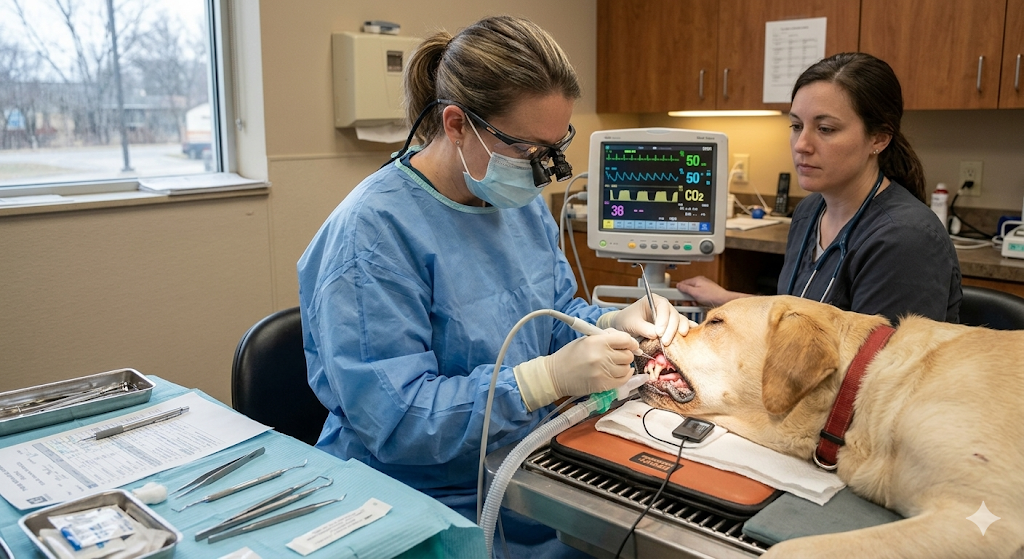
You are sitting in your living room in Ames, watching your senior golden retriever try to chew a favorite tennis ball. Suddenly, he drops it, lets out a soft whimper, and paws at the side of his face. When you lift his lip, his teeth look surprisingly white, and his gums aren't even that red. You might think he just bumped his nose or is having an "off" day. However, beneath that seemingly healthy surface, a microscopic war is often being waged. In the world of 2026 veterinary medicine, we have learned that what we see with our naked eyes represents less than half of the actual story. The most significant threats to your pet's health are often completely invisible, tucked away inside the jawbone where no amount of squinting or flashlights can reach. This is why the short answer to whether your pet needs dental x-rays at Pet Medical Center is a resounding "yes" if you want a complete picture of their well-being. Without these images, a veterinarian is essentially trying to solve a complex puzzle while wearing a blindfold. The Iceberg Effect in Oral Health To understand the necessity of digital dental radiographs, it helps to think of a pet's tooth like an iceberg. When you look at an iceberg from the deck of a ship, you are only seeing the small tip protruding above the waves. The massive, potentially dangerous bulk of the ice is submerged. In a dog or cat, the "crown" is the part of the tooth you can see. The "root," which is often twice as long as the crown, is submerged deep within the gingiva and the alveolar bone. If a veterinarian only performs a visual exam, they are essentially ignoring sixty percent of the tooth's structure. Problems can fester at the root for years—causing chronic, throbbing pain—without ever showing a single blemish on the white enamel above. By the time a problem becomes visible to the eye, such as a hole in the gum or a swollen face, the damage is often catastrophic. Digital imaging acts like a high-powered window, allowing us to see through the "hull" of the jaw to inspect the foundation. The Narrative of Hidden Issues: Why Visual Exams Aren't Enough At Pet Medical Center in Ames, we highly recommend digital dental x-rays because they reveal hidden issues that cannot be detected during a standard physical check-up. This isn't just about finding "cavities." In fact, dogs rarely get traditional cavities like humans do. Instead, they suffer from structural failures that happen from the bottom up. Tooth Root Abscesses An abscess is essentially a pocket of infection that forms at the very tip of the tooth root. Think of it like a slow-burning fire in the basement of a house. The people living on the second floor might not smell smoke for a long time, but the structural beams are being weakened every minute. These infections create intense pressure within the bone. Because the jawbone cannot expand, that pressure has nowhere to go, leading to a constant, dull ache that can turn into sharp pain when the pet bites down. X-rays allow us to see the "dark halo" around a root that signals an active infection. Bone Loss and Structural Decay Periodontal disease is a master of stealth. Bacteria live in the "pockets" between the tooth and the gum. As they multiply, they release acidic byproducts that literally dissolve the bone. In older homes found in the Ames area, you might see wood rot that goes unnoticed until a porch step collapses. Bone loss in a pet’s mouth works the same way. We often find teeth that look perfectly stable but are actually floating in a pool of infection with no bone left to hold them in place. Imaging identifies these "periodontal pockets" and bone recession before the tooth starts wobbling. Resorptive Lesions This is a particularly frustrating condition, especially for our feline patients in Story County. In a resorptive lesion, the body's own cells begin to "eat" the tooth. It often starts at the root, where the tooth structure is replaced by bone-like tissue or simply disappears, leaving the sensitive nerve canal exposed to the elements. To a cat, this feels like a constant "ice cream headache" or a live wire being touched in their mouth. Without x-rays, these lesions are almost impossible to diagnose until the tooth literally fractures off at the gumline. The 2026 Standard: Precision Planning and Better Outcomes In the current year of 2026, the goal of Pet Medical Center is not just to "fix" problems but to plan for a lifetime of comfort. These detailed images help veterinarians diagnose and plan appropriate dental treatment before a minor issue becomes a major one. When we have a full set of digital radiographs, we can create a "surgical map." If an extraction is necessary, the x-ray tells the doctor exactly how many roots the tooth has, whether those roots are curved like a fishhook, or if the bone around them is particularly brittle. This makes the procedure faster, safer, and much less invasive. It allows for a "measure twice, cut once" philosophy that preserves as much healthy tissue as possible. Localization: The Ames Environment and Oral Hygiene Living in Ames, Iowa, provides a unique context for pet ownership. Our dramatic seasonal shifts—from the humid, sweltering summers to the bone-chilling winters—affect how we interact with our pets. During the winter months, when many Ames residents are hunkered down in their homes, pets spend significantly more time indoors. This proximity often leads owners to notice "dog breath" more acutely. However, many people attribute bad breath to the pet's diet or simply "being a dog." In reality, that odor is often the smell of volatile sulfur compounds produced by bacteria hiding under the gumline. Furthermore, Ames is home to many active pets who frequent the local parks and trails. These active lifestyles can lead to "slab fractures"—where a dog bites down on a hard rock or a frozen stick, shearing off a piece of a premolar. These fractures often look minor on the surface, but x-rays frequently reveal that the "pulp" (the tooth's internal blood and nerve supply) has been compromised, leading to a "dead" tooth that requires professional intervention. Maintenance vs. Reactive Repair: A Comparison of Approaches Feature Proactive Maintenance (with X-Rays) Reactive Repair (Visual Only) Detection Timing Caught in the "smoldering" stage. Caught in the "house fire" stage. Pain Management Prevents pain before it starts. Pet suffers until the issue is undeniable. Surgical Accuracy High; roots are mapped and understood. Low; "blind" extractions increase risk. Recovery Time Usually quick; minimal tissue trauma. Longer; often involves bone repair or multiple visits. Long-term Value Preserves healthy teeth for years. Leads to premature tooth loss and systemic illness. Systemic Protection Stops bacteria from reaching the heart/kidneys. Allows chronic infection to shed into the blood. Many pet owners wonder if they can skip the imaging to save on the initial investment. While this might seem cost-effective in the short term, it almost always leads to a higher investment of time and resources later. The "Silent Sentinel": How Oral Health Protects the Body It is a common misconception that dental issues stay in the mouth. The mouth is the most vascular part of the body, meaning it is packed with blood vessels. When your pet has an infected tooth root (which we find on those x-rays), every time they chew, they are essentially "injecting" bacteria into their own bloodstream. These bacteria have a preference for settling on the valves of the heart and within the delicate filters of the kidneys. In 2026, we see a direct correlation between pets with neglected oral health and pets who develop early-stage kidney failure or heart murmurs. By using dental x-rays to find and eliminate these "hidden reservoirs" of infection, we aren't just cleaning teeth—we are potentially adding years to your pet's life. It is a protective shield for the entire systemic health of the animal. The Procedure: What Happens During Imaging? At Pet Medical Center , the process of taking dental x-rays is handled with extreme care. Because the sensor must be placed deep in the mouth and the pet must remain perfectly still to get a crisp, diagnostic image, this is performed while the pet is under a safe, monitored sedative or general anesthesia. Placement: A small, digital sensor (much like the ones used in human dentistry) is placed inside the mouth. Angle Alignment: The x-ray generator is positioned at a precise angle to avoid "foreshortening" or "elongating" the image, ensuring the root looks exactly as it does in real life. Instant Development: Because the system is digital, the image appears on the veterinarian's computer screen within seconds. Review: The doctor zooms in on the "lamina dura" (the thin line of bone surrounding the root) and the "pulp chamber" to look for any signs of widening or decay. This process is repeated for the entire mouth. A full-mouth series is the only way to ensure nothing is missed. It is not uncommon for us to find a perfectly healthy-looking tooth on the left side and a massive abscess on the identical tooth on the right side. The Safety of Digital Radiation in 2026 Some owners express concern about radiation exposure. However, modern digital dental x-rays use an incredibly low dose of energy. To put it in perspective, a pet would receive more radiation from a day of playing outside in the Iowa sun than they do from a full set of dental images. The "digital" aspect is the key. Unlike old-fashioned film x-rays that required higher power and chemical processing, digital sensors are incredibly sensitive. They act like a "light sponge," soaking up the tiniest amount of energy to create a high-resolution picture. The benefit of diagnosing a hidden, painful infection infinitely outweighs the negligible risk of the imaging process itself. Why "Anesthesia-Free" Cleanings are a Disservice You may have seen advertisements for "anesthesia-free" dental cleanings. While these might make the teeth look white and shiny, they are purely cosmetic and, in some cases, can be harmful. It is impossible to take dental x-rays or perform a deep cleaning under the gumline on an awake pet. Doing a cleaning without x-rays is like a dentist putting a white coat of paint over a rotted fence post. It looks better from the sidewalk, but the post is still going to snap in the next windstorm. At Pet Medical Center, we refuse to settle for "cosmetic" health. We want "structural" health, and that requires the deep-dive approach that only anesthesia and digital imaging can provide. Understanding the "Periodontal Pocket" One of the most frequent findings on our dental x-rays is the "periodontal pocket." When a pet has healthy gums, the tissue is tightly "shrink-wrapped" around the neck of the tooth. When bacteria move in, they act like a tiny wedge, slowly prying the gum away from the tooth. This creates a "pocket" where food and more bacteria get trapped. Because this area is dark, warm, and lacks oxygen, the "bad" bacteria thrive. These pockets can go deep—sometimes all the way to the tip of the root—without the gumline ever looking recessed. X-rays allow us to measure the height of the bone. If the bone has "shrunk" away from the tooth, we know a pocket exists and can treat it with specialized antibiotics or deep-cleaning techniques to try and save the tooth. The Role of Extractions: When the X-ray Says "Goodbye" No one wants their pet to lose a tooth, but sometimes the x-ray reveals that a tooth is a "sinking ship." If a tooth has lost more than fifty percent of its bone support, or if the root is fractured, the tooth is no longer a functional tool; it is a source of chronic pain and a gateway for infection. In these cases, the x-ray is our most valuable tool for a "clean" extraction. Some teeth, like the large "carnassial" teeth in the back of a dog's mouth, have three separate roots that spread out in different directions. Trying to pull that tooth without an x-ray is like trying to pull a stump out of the ground without knowing where the roots go. The x-ray allows the veterinarian to section the tooth into three separate pieces and remove each root individually, preventing jaw fractures and ensuring no fragments are left behind to cause future infections. Preserving Oral Health for the Long Term The ultimate goal of dental dentistry at Pet Medical Center is preservation. We aren't just looking for reasons to remove teeth; we are looking for ways to save them. If we catch bone loss early enough on an x-ray, we can often perform a procedure called "bone grafting" or apply a "perio-ceutic" gel that encourages the tissue to re-attach. Without that early x-ray, we miss the window of opportunity. By the time the tooth is loose enough for a human finger to feel it, it is usually too late to save. Regular imaging is the only way to "stay ahead of the curve" and keep your pet's natural teeth in their mouth for as long as possible. The Psychological Impact of Chronic Oral Pain We often forget that pets are emotional beings. A dog or cat living with a hidden tooth root abscess is living in a state of "chronic stress." They may be more irritable, less likely to engage with the family, or may even develop "food aggression" because they associate mealtime with pain. We frequently hear from Ames pet owners that their pet "acted like a puppy again" or "became much cuddlier" after a dental procedure that included x-ray-guided extractions. The pet wasn't "getting old" or "getting grumpy"; they were simply hurting. Because they couldn't tell us where it hurt, they suffered in silence. The x-ray gives them a voice. It allows them to "tell" us exactly where the pain is so we can take it away. A Summary of the "Why" Behind the Technology The decision to include dental x-rays in your pet's healthcare plan is a decision to prioritize their comfort and longevity. At Pet Medical Center , we believe that every pet deserves a pain-free mouth. Comprehensive Diagnostics: Seeing the 60% of the tooth that is hidden. Early Intervention: Finding "smoldering" infections before they become "house fires." Surgical Safety: Mapping the roots for faster, less traumatic extractions. Systemic Health: Preventing bacteria from traveling to the heart and kidneys. Quality of Life: Removing the source of chronic, hidden stress. What Happens Next? Your Pet's Dental Journey When you schedule a dental assessment at Pet Medical Center in Ames, we start with a thorough history and a "conscious" oral exam. We look for the "red flags" like tartar, gingivitis, or missing teeth. However, we will always discuss the "Next Step," which is the professional cleaning and imaging under anesthesia. Once the pet is asleep and the x-rays are taken, the veterinarian will often call you to discuss the findings. We believe in a collaborative approach. We can show you the digital images on our tablets and explain exactly what we are seeing—whether it’s a healthy root or a tooth that needs to come out. This transparency ensures that you are an active participant in your pet’s health journey. Conclusion: Investing in a Pain-Free Future Your pet provides you with unconditional love and companionship. In return, they rely on you to be their advocate in a world they don't fully understand. They can't tell you that their left molar has a root abscess, but they can show you through their behavior and their overall health. By choosing to include dental x-rays as part of their routine care at Pet Medical Center, you are fulfilling that role as an advocate. You are ensuring that "hidden" doesn't mean "ignored." Whether you live in a historic home near downtown Ames or a new development on the outskirts of town, your pet’s need for a healthy mouth remains the same. Let’s move past the "visual only" era of pet care. Let’s embrace the precision, safety, and kindness of 2026 veterinary medicine. Your pet’s heart, kidneys, and—most importantly—their daily comfort will thank you for it.
By Michael Rayburn January 5, 2026
When a homeowner in Ames, IA , decides to welcome a bearded dragon, a Holland Lop rabbit, or a green-cheeked conure into their family, they are stepping into a world of specialized biological needs. These "non-traditional" pets offer incredible companionship, but they also possess physiological systems that differ vastly from the common dog or cat. In the heart of Story County, as we navigate the agricultural and academic hub of the state, the demand for a qualified Exotic Veterinarian has never been higher. The primary challenge of owning a reptile, bird, or small mammal is their inherent evolutionary drive to mask illness. In the wild, showing weakness makes an animal prey. Consequently, by the time a pet owner notices their guinea pig is "a bit quiet" or their iguana has "lost its appetite," the underlying condition is often quite advanced. At Pet Medical Center , we treat these unique species with a deep understanding of their specific environmental and medical requirements. This guide is designed to help local owners understand the technical necessity of specialized care and why the role of an Exotic Veterinarian is pivotal in ensuring these extraordinary animals thrive in an Iowa climate. 1. The Survival Paradox: Why Early Detection is Critical For an exotic pet, "acting normal" is a survival mechanism. This "masking phenomenon" means that the traditional wait-and-see approach to pet health can be catastrophic for a bird or a small mammal. Metabolic Speed and Decline Small mammals, such as hamsters and gerbils, have incredibly high metabolic rates. A disease that might take weeks to affect a Labrador can overwhelm a small rodent in forty-eight hours. An Exotic Veterinarian looks for the "micro-signs" of illness—subtle changes in fecal output, slight alterations in grooming habits, or minute fluctuations in weight—that are invisible to the untrained eye. Reptilian Stasis On the opposite end of the spectrum, reptiles have slower metabolisms, which can lead to a deceptive "slow-motion" illness. A leopard gecko suffering from metabolic bone disease (MBD) may continue to move and eat for months while its skeletal structure slowly weakens. Professional intervention is required to identify these chronic conditions before they reach a terminal stage. 2. Environmental Engineering: The Foundation of Exotic Health In Ames, IA , our external environment is defined by dramatic swings. We experience sweltering, humid summers and bone-chilling, dry winters. For an exotic pet, these external changes are a direct threat to their internal stability. Humidity Management in the Iowa Winter During an Iowa winter, indoor heating systems strip the air of moisture. For tropical species like ball pythons or certain parrots, this dry air can lead to respiratory infections and "dysecdysis" (incomplete shedding). An Exotic Veterinarian doesn't just treat the pet; they act as an environmental consultant, helping owners adjust misting systems and hygrometers to maintain a life-sustaining micro-climate within the home. Thermal Gradients and UV-B Requirements Reptiles are ectothermic, meaning they rely on external heat to drive their digestion and immune function. Furthermore, most require specific wavelengths of UV-B light to synthesize Vitamin D3. Without this, they cannot absorb calcium, leading to painful fractures and neurological tremors. We provide technical audits of enclosure setups to ensure that the heat gradients and lighting arrays are scientifically appropriate for the specific species. 3. The Avian Challenge: Respiratory and Nutritional Precision Birds are perhaps the most sensitive patients an Exotic Veterinarian encounters. Their respiratory systems are incredibly efficient but also highly vulnerable to airborne toxins. Aerosol Sensitivities in the Home Many homeowners are unaware that common household items—such as non-stick cookware (PTFE), scented candles, or certain cleaning agents—can be fatal to a bird. Because birds use air sacs as part of their breathing process, they "process" toxins much faster than mammals. We provide comprehensive safety education to ensure the home environment is a safe harbor. The All-Seed Diet Fallacy One of the most common issues we see in 2026 is malnutrition in parrots fed exclusively on seeds. Seeds are high in fat and low in essential vitamins like Vitamin A. This leads to fatty liver disease and poor feather quality. Transitioning a bird to a high-quality formulated pellet diet is a clinical necessity that we manage through gradual behavioral modification strategies. 4. Small Mammal Dentistry: A Constant State of Growth Rabbits, guinea pigs, and chinchillas are "hypsodonts," meaning their teeth grow continuously throughout their lives. This biological trait is an adaptation for grinding down tough, fibrous vegetation, but in a domestic setting, it can lead to "malocclusion." Malocclusion and Molar Spurs If a rabbit’s diet is too soft, the teeth do not wear down at the same rate they grow. This results in sharp "spurs" that can lacerate the tongue or cheeks, causing the animal to stop eating. Since these animals have a unique digestive process called "hindgut fermentation," a cessation of eating (GI Stasis) is a medical emergency. Technical Dental Imaging Because we cannot see the molars at the back of a small mammal’s mouth without specialized equipment, we utilize endoscopic cameras and digital radiography. An Exotic Veterinarian at Pet Medical Center can perform precision dental "filing" or trimming to restore the proper bite alignment, allowing the pet to return to normal foraging behaviors. 5. Diagnostic Advancements in Exotic Medicine for 2026 Treating a 30-gram canary or a 5-pound rabbit requires different tools than those used for a 70-pound dog. In 2026 , diagnostic technology has evolved to provide high-resolution insights into even the smallest patients. Microsample Bloodwork Traditional blood draws can be risky for very small animals. We utilize "microsampling" techniques that require only a few drops of blood to perform a full biochemical profile. This allows us to check kidney and liver function in a hamster or a cockatiel without compromising their circulatory volume. Ultrasound and Endoscopy Because exotic pets are often too small for traditional palpation to yield definitive results, we use high-frequency ultrasound to visualize internal organs. Endoscopy allows us to look inside the throat of a turtle or the ear canal of a rabbit with minimal invasiveness. These tools are central to our exotic pet services , providing a level of detail that was impossible a decade ago. 6. Reproductive Health: The "Hidden" Risks in Small Species Many exotic pets suffer from reproductive issues that are rarely discussed in general veterinary circles. These conditions are often hormonal and can be life-threatening if not addressed by a specialist. Chronic Egg Laying in Birds Female cockatiels and lovebirds can become "chronic layers," which depletes their bodies of calcium and can lead to "egg binding"—where an egg becomes stuck in the reproductive tract. This is a surgical emergency. We utilize hormonal implants and environmental lighting adjustments to "turn off" the reproductive cycle and protect the bird’s bone density. Uterine Adenocarcinoma in Rabbits Unspayed female rabbits have an incredibly high risk (up to 80% in some breeds) of developing uterine cancer by age four. This is why we advocate for preventative surgery. As an experienced Exotic Veterinarian , we perform these procedures with specialized anesthesia protocols designed specifically for the fragile respiratory systems of lagomorphs. 7. The Role of Foraging and Behavioral Enrichment Exotic pets are often highly intelligent and easily bored. In 2026 , we recognize that mental health is inextricably linked to physical health in these species. Environmental Enrichment for Parrots A bored parrot will often turn to "feather picking" or self-mutilation. We help owners design foraging toys that require the bird to "work" for their food, mimicking their natural behaviors in the wild. This reduces cortisol levels and prevents the development of stereotypic behaviors. Scavenging for Small Mammals Guinea pigs and rats benefit from complex tunnel systems and varied textures. By encouraging these natural movements, we prevent obesity and "pododermatitis" (bumblefoot), a painful infection of the foot pads caused by sedentary lifestyles on inappropriate bedding. 8. Preventative Wellness: The Annual Exotic Exam Because of the "masking phenomenon" mentioned earlier, the annual wellness exam is the most important tool in an Exotic Veterinarian’s arsenal. Weight Tracking and Body Condition A weight loss of just 5 grams in a small bird can represent a 10% loss of body mass. We use gram scales to track minute changes that indicate the early stages of metabolic disease. Fecal Parasitology Many reptiles and small mammals carry subclinical levels of parasites that can bloom into a full-blown infection during times of stress (such as an Iowa temperature swing). Regular fecal screenings ensure that these "hitchhikers" are kept in check, protecting the pet’s ability to absorb nutrients. 9. Anesthesia and Surgery: A Specialized Approach One of the primary reasons owners hesitate to seek medical care for exotic pets is a fear of anesthesia. It is true that "traditional" dog/cat anesthesia is not suitable for a ferret or a lizard. Precision Intubation and Monitoring Exotic pets require specialized anesthetic gases and micro-intubation tubes. At Pet Medical Center , we use sophisticated monitoring equipment to track the heart rate of a bird (which can exceed 400 beats per minute) and the oxygen saturation of a reptile. Heat Support During Surgery Because exotic pets lose body heat rapidly under anesthesia, we use heated surgical tables and forced-air warming blankets. Maintaining a stable core temperature is often the most critical factor in a successful surgical outcome for a small mammal or reptile. 10. Frequently Asked Questions (FAQ) Q: Do I really need to take my hamster to an Exotic Veterinarian? A: Yes. While they are small, hamsters are prone to specific conditions like "wet tail" (proliferative ileitis) which can be fatal within 24 hours. A specialist understands the narrow window of treatment for these small rodents. Q: Is it okay to keep my turtle in a tank with just water? A: Most turtles require a "basking spot" where they can completely dry off under a heat lamp. Constant immersion without the ability to dry can lead to shell rot (SCUD), a painful bacterial or fungal infection that eats through the shell. Q: Why is my rabbit sneezing? A: Sneezing in rabbits is often a sign of "Snuffles" (Pasteurella multocida), a highly contagious respiratory infection. Because rabbits are obligate nasal breathers, any respiratory congestion is a serious threat to their ability to oxygenate. Q: Can I catch anything from my reptile? A: Many reptiles naturally carry Salmonella in their intestinal tracts. While it doesn't usually make the reptile sick, it can be dangerous for humans, especially children or the elderly. We provide guidance on proper hygiene and handling to keep the whole family safe. 11. The Lifecycle of an Exotic Pet: From Juvenile to Senior As exotic pet medicine has improved, we are seeing these animals live much longer. A bearded dragon can live 15 years, and some parrots can live 50 to 80 years. This longevity requires a shifting medical focus over the animal’s life. Juvenile Nutrition and Growth In the early years, the focus of an Exotic Veterinarian is on skeletal development and preventing nutritional deficiencies. This is the "window of opportunity" to establish good eating habits and ensure proper bone density. Senior Care and Arthritis In 2026 , we are managing arthritis in senior rabbits and kidney disease in aging ferrets. We use specialized pain management protocols—including laser therapy and species-specific medications—to ensure these animals remain comfortable and mobile in their golden years. 12. Why Ames Pet Owners Choose Specialized Expertise Choosing an Exotic Veterinarian is about finding a partner who speaks the "language" of your pet. At Pet Medical Center , our commitment to these species is rooted in a passion for the unusual and a respect for the complex biology of the "little guys." We understand that a ferret is not a "long cat" and a parrot is not a "winged dog." Each species requires a unique diagnostic lens and a tailored treatment plan. Our facility is designed to provide a low-stress environment for these sensitive patients, ensuring that their visit to the doctor doesn't become a source of trauma. Whether you are seeking advice on the best substrate for your leopard gecko, a dental checkup for your guinea pig, or a wellness exam for your Amazon parrot, we provide the professional authority and technical accuracy necessary to give your pet a long, vibrant life in Ames . Conclusion: Honoring the Bond with the Extraordinary Owning an exotic pet is a journey into a different branch of the tree of life. It is a commitment to understanding a creature whose needs are vastly different from our own. While the responsibility is great, the reward of a bond with a sentient bird, a curious ferret, or a stoic reptile is immeasurable. By prioritizing the expertise of an Exotic Veterinarian , you are ensuring that your pet isn't just surviving, but thriving. You are providing them with an environment that respects their evolutionary history and a medical plan that understands their unique physiology. In the ever-changing climate of Ames, IA , this specialized care is the bridge between a shortened lifespan and a decade of companionship. At Pet Medical Center , we are proud to be a part of that journey. We invite you to explore our Exotic Pet Services and join a community of owners dedicated to the highest standard of non-traditional pet care.
By Michael Rayburn January 5, 2026
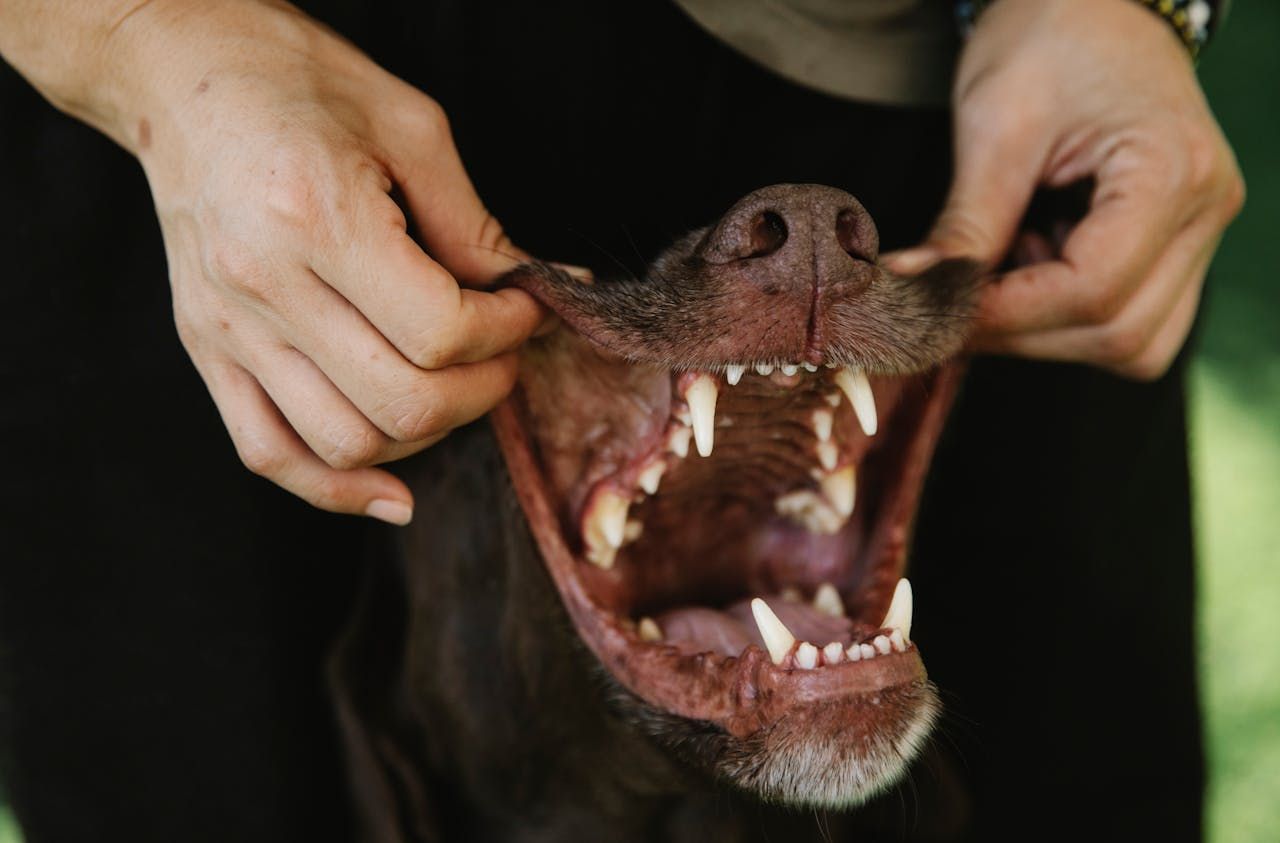
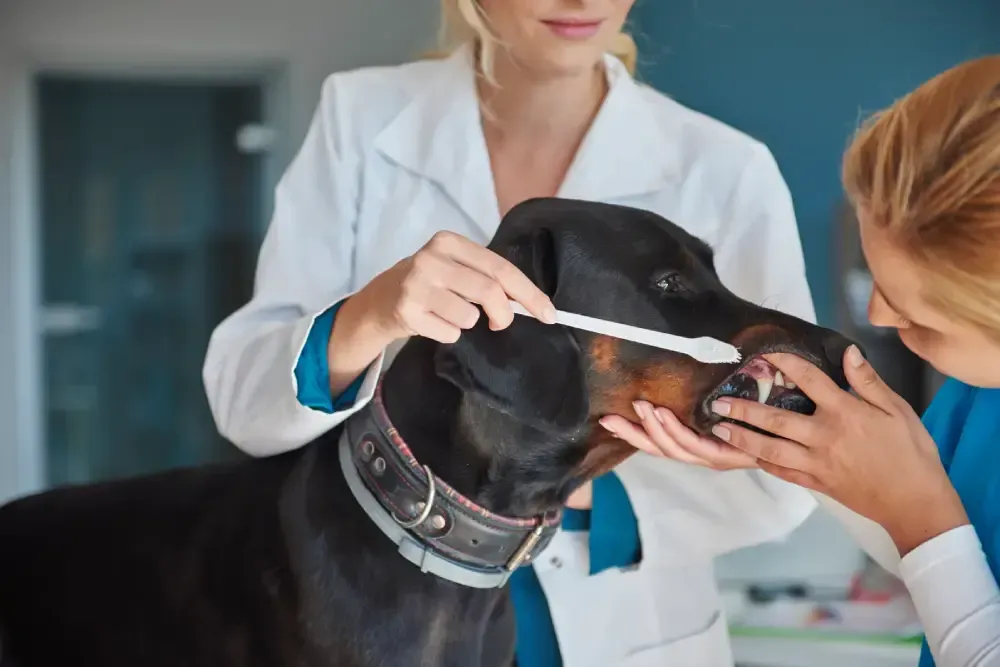
Imagine if you stopped brushing your teeth today. Within days, a sticky film of plaque would coat your enamel. Within weeks, that plaque would harden into tartar. Within months, your gums would begin to recede, and bacteria would start an invisible march through your bloodstream, targeting your heart, liver, and kidneys. For many pets in Ames, IA , this isn't a hypothetical scenario—it is their daily reality. As we move into 2026 , the veterinary community is seeing a paradigm shift in how we view oral health. It is no longer a cosmetic luxury or a solution for "bad breath"; it is a fundamental pillar of systemic longevity. At Pet Medical Center , we treat the oral cavity as a window into your pet's overall health. While many owners focus on nutrition and exercise, the mouth often remains a neglected frontier of wellness. However, clinical data consistently shows that proactive Pet Dental Care can extend a dog or cat’s life by several years. In the heart of Story County, where our pets navigate humid summers and frigid Iowa winters, their immune systems need every advantage they can get. A mouth riddled with infection is a constant drain on those biological resources. This comprehensive guide will explore the technical nuances of veterinary dentistry, the hidden dangers of periodontal disease, and why professional intervention is the only way to safeguard your companion’s health. 1. The Invisible Enemy: Understanding the Pathophysiology of Periodontal Disease Periodontal disease is the most diagnosed ailment in adult pets. By the age of three, approximately 80% of dogs and 70% of cats show some clinical signs of oral decay. But what exactly is happening beneath the gumline? The Plaque-to-Tartar Pipeline Every time your pet eats, bacteria, saliva, and food particles combine to form plaque. If not removed through mechanical brushing, this plaque reacts with minerals in the saliva to form calculus (tartar). This calculus provides a porous, rugged surface that allows even more bacteria to colonize. In the Ames climate, where indoor allergens and seasonal changes can already stress a pet’s mucous membranes, this bacterial load can trigger significant inflammatory responses. Subgingival Pathogenesis The most dangerous aspect of dental disease is what you cannot see. While yellow teeth are a sign of tartar, the true damage occurs in the "subgingival" space—the pocket between the tooth and the gum. Here, anaerobic bacteria flourish, releasing toxins that destroy the periodontal ligament and the alveolar bone that holds the tooth in place. This is a silent, painful process that most pets hide with remarkable stoicism. Shutterstock 2. Systemic Implications: Why Oral Health is Heart Health One of the most critical reasons we advocate for rigorous Pet Dental Care is the "oral-systemic link." The mouth is highly vascular. When gums are inflamed (gingivitis), the natural barrier between the mouth and the rest of the body is breached. Bacteremia and Organ Damage Every time a pet with periodontal disease chews a toy or eats kibble, bacteria are "massaged" into the bloodstream. This is known as transient bacteremia. These bacteria have a predilection for sticking to the heart valves, leading to endocarditis. They also filter through the kidneys and liver, causing micro-abscesses and chronic organ inflammation. In our 2026 wellness protocols, we often find that stabilizing a pet’s dental health results in improved bloodwork values for kidney and liver function. Chronic Inflammation: The Silent Stressor Chronic inflammation is an exhausting state for the body. A pet fighting constant oral infection is essentially living in a state of low-grade fever and immune overactivity. This can manifest as lethargy, which many Ames owners mistake for "just getting older." In reality, once the dental pain is resolved, many pets experience a "second puppyhood" or "kittenhood" as their energy levels surge. 3. The Professional Standard: Anatomy of a Comprehensive Oral Health Assessment and Treatment (COHAT) Many owners ask why they cannot simply use "dental treats" or have their pet's teeth scraped while they are awake. The answer lies in the technical requirements of veterinary medicine. At Pet Medical Center , a professional dental cleaning is a complex medical procedure. The Necessity of General Anesthesia You cannot perform a thorough dental cleaning on a conscious pet. Anesthesia allows us to: Perform a 360-degree inspection of every tooth. Clean the subgingival pockets (where the disease lives). Take diagnostic radiographs (X-rays). Protect the airway from aerosolized bacteria and water. Ensure the pet experiences zero pain or anxiety during the procedure. Digital Dental Radiography: Seeing the Unseen Roughly 60% of a pet's tooth is located under the gumline. Without X-rays, we are practicing "blind" dentistry. Radiographs allow us to identify: Root abscesses. Internal resorption (common in cats). Bone loss. Impacted teeth that can turn into painful cysts. At our Homepage , we emphasize that diagnostic imaging is the only way to provide a truly accurate treatment plan. 4. Identifying Pain in a Silent Species Pets are evolutionary hardwired to hide pain. In the wild, showing weakness makes you a target. Consequently, an Ames homeowner might think their pet is fine because they are still eating. However, eating is a survival instinct; it is not an indicator of comfort. Subtle Behavioral Cues Homeowners should watch for these "red flags" of oral distress: Selective Eating: Choosing soft food over hard kibble or chewing on only one side of the mouth. Head Shyness: Pulling away when you try to pet their face. Excessive Drooling: Sometimes accompanied by a tinged pink color (blood). Pawing at the Mouth: As if trying to dislodge something stuck. "Chattering" of the Jaw: Especially common in cats with resorptive lesions. The Smell of Decay "Dog breath" is not normal. A healthy pet mouth should not have an offensive odor. If you notice a pungent, sweet, or rotting smell, it is a definitive sign of an active bacterial infection that requires professional Pet Dental Care . 5. Feline Dentistry: The Unique Challenge of Resorptive Lesions Cats are not just small dogs, and their dental needs are vastly different. One of the most common and painful conditions we see in Ames cats is Feline Oral Resorptive Lesions (FORLs). The "Cavity" That Isn't a Cavity Unlike human cavities, which are caused by sugar and decay, resorptive lesions are a process where the body’s own cells begin to dissolve the tooth from the inside out. The enamel eventually breaks down, exposing the highly sensitive pulp and nerves. Treatment Challenges These lesions often start at or below the gumline. They are excruciatingly painful, yet many cats will continue to act normally until the tooth is literally crumbling. The only effective treatment for a resorptive lesion is the surgical extraction of the affected tooth to remove the source of pain. 6. The Logistics of Pet Dental Care in Ames: Climate and Lifestyle Living in Ames, IA , presents specific challenges for pet health. Our local environment can influence how we manage oral hygiene. Seasonal Diet Changes In the winter months, Iowa pets are often less active, leading owners to adjust their caloric intake. This is an excellent time to focus on dental-specific diets that utilize "mechanical scrubbing" kibble technology. These diets are engineered with a fiber matrix that doesn't shatter when bitten, but instead wraps around the tooth to scrape away plaque. Water Quality and Hydration While Ames has high-quality municipal water, the mineral content can contribute to the speed of calculus formation in some pets. Using water additives that contain enzymes to break down plaque can be a helpful adjunct to professional care. 7. Home Care: The First Line of Defense While professional cleaning at Pet Medical Center is essential to remove tartar, home care is what prevents the disease from returning. The Gold Standard: Brushing Nothing replaces a toothbrush. For Ames residents, we recommend starting a brushing routine as early as possible. Use Pet-Specific Toothpaste: Human toothpaste contains xylitol (toxic to dogs) and fluorides that shouldn't be swallowed. Pet pastes come in flavors like poultry or beef. Focus on the Outside: Most tartar accumulates on the cheek-side of the teeth. Frequency Matters: Ideally, you should brush daily. Plaque hardens into tartar within 24–48 hours. Dental Chews and Toys If brushing is impossible, dental chews are a secondary option. However, look for the VOHC (Veterinary Oral Health Council) seal of approval. This seal ensures the product has been clinically proven to reduce plaque and tartar. In a community like Ames , where we value evidence-based solutions, checking for the VOHC seal is a vital step for any pet owner. 8. Breed Predispositions: From Brachycephalics to Toy Breeds Not all pets are created equal when it comes to dental risk. Your pet’s genetics play a massive role in how often they need Pet Dental Care . The Toy Breed Trap Yorkies, Chihuahuas, and Poodles are notorious for "crowded" mouths. When you take 42 adult dog teeth and try to fit them into a tiny skull, you get overlapping teeth that trap food and bacteria. These breeds often require professional cleanings as early as one year of age. Brachycephalic Concerns Breeds like Bulldogs and Pugs have "smushed" faces, leading to rotated teeth and abnormal bites (malocclusions). These abnormalities create "shelves" where tartar can accumulate at an alarming rate. Furthermore, their unique airway anatomy makes high-quality anesthetic monitoring during dental procedures even more critical. 9. The Financial Logic of Proactive Dentistry Some homeowners hesitate at the cost of professional dental work. However, looking at the long-term economics of pet ownership in Ames , proactive care is significantly cheaper than reactive crisis management. Prevention vs. Extraction A routine cleaning to remove plaque and tartar is a straightforward procedure. Once the disease progresses to the point of bone loss and root rot, we must perform surgical extractions. Extractions are time-consuming, require advanced surgical skills, and increase the cost of the procedure significantly. Avoiding Systemic Crisis Treating heart failure or chronic kidney disease—conditions that can be exacerbated by poor oral health—costs thousands of dollars in specialist visits and lifelong medications. A yearly or bi-yearly investment in Pet Dental Care is one of the most effective ways to avoid these "catastrophic" veterinary bills. 10. Safety and Anesthesia in 2026: Modern Protocols The number one fear owners have regarding dental work is anesthesia. In 2026 , the safety protocols we use have made the risk of anesthesia lower than it has ever been in veterinary history. Pre-Anesthetic Screening Before any pet undergoes a dental procedure at Pet Medical Center , we perform a physical exam and bloodwork to ensure the liver and kidneys can process the anesthetic agents. We tailor the drug protocol to the specific age, breed, and health status of the pet. Real-Time Monitoring During the procedure, a dedicated technician monitors: ECG: Heart rhythm. Pulse Oximetry: Oxygen levels in the blood. Capnography: Carbon dioxide levels in the breath. Blood Pressure: Ensuring vital organs are being perfused. Body Temperature: Using heated blankets to prevent Iowa’s winter chill from affecting the pet’s recovery. 11. Frequently Asked Questions (FAQ) Q: Can I just give my dog bones to clean their teeth? A: We strongly advise against hard bones, antlers, or nylon chews. A dog's chewing force is immense, and these hard objects are a leading cause of "slab fractures"—where a large piece of the tooth breaks off, exposing the nerve. If it's too hard to indent with your thumbnail, it's too hard for your pet’s teeth. Q: My pet is 12 years old. Are they too old for a dental? A: Age is not a disease. A 12-year-old pet with an infected mouth is in pain every day. As long as their pre-anesthetic bloodwork is stable, senior pets often benefit the most from dental care, as it removes a major source of systemic stress. Q: How long does the recovery take? A: Most pets are back to their normal selves within 24 hours. If extractions were performed, they might be on soft food for 10–14 days while the sutures dissolve, but their comfort levels usually improve almost immediately once the infected teeth are gone. Q: Why does my cat have "stinky" breath even though they are young? A: This could be Juvenile Onset Periodontitis or Gingivostomatitis—an immune-mediated condition where the cat’s body is "allergic" to the plaque on their teeth. This requires early and aggressive intervention. 12. The Psychological Impact: Comfort and Temperament Beyond the physical health benefits, there is a profound psychological component to Pet Dental Care . Chronic pain changes behavior. Irritability and Anxiety A pet with a toothache is more likely to be "grumpy" or reactive. We have seen numerous cases in Ames where a "mean" cat or a "snappy" dog became incredibly affectionate after their oral pain was resolved. They weren't bad pets; they were hurting. Quality of Life In 2026 , "quality of life" is the metric we care about most. A pet that can play with their favorite ball, eat their dinner without flinching, and groom themselves comfortably is a pet that is thriving. Oral health is the foundation upon which that quality of life is built. Conclusion: A Commitment to the Pets of Story County Your pet’s mouth is the gateway to their entire body. By prioritizing professional Pet Dental Care , you are doing more than just freshening their breath; you are protecting their heart, supporting their kidneys, and ensuring they live a life free from silent, chronic pain. In the Ames community, we treat our pets like family, and family deserves the highest standard of medical care. At Pet Medical Center , our goal is to partner with you to create a sustainable, effective oral health plan. Whether it is through teaching you how to brush at home or performing a high-tech surgical extraction, we are committed to the long-term wellness of your companion. Don't wait for your pet to stop eating before you address their dental health. By then, the disease is already advanced. Take a moment today to lift your pet's lip. If you see redness, smell an odor, or notice yellowing, it is time for a professional assessment. Let’s work together to make sure your pet’s smile is as healthy as it is beautiful.
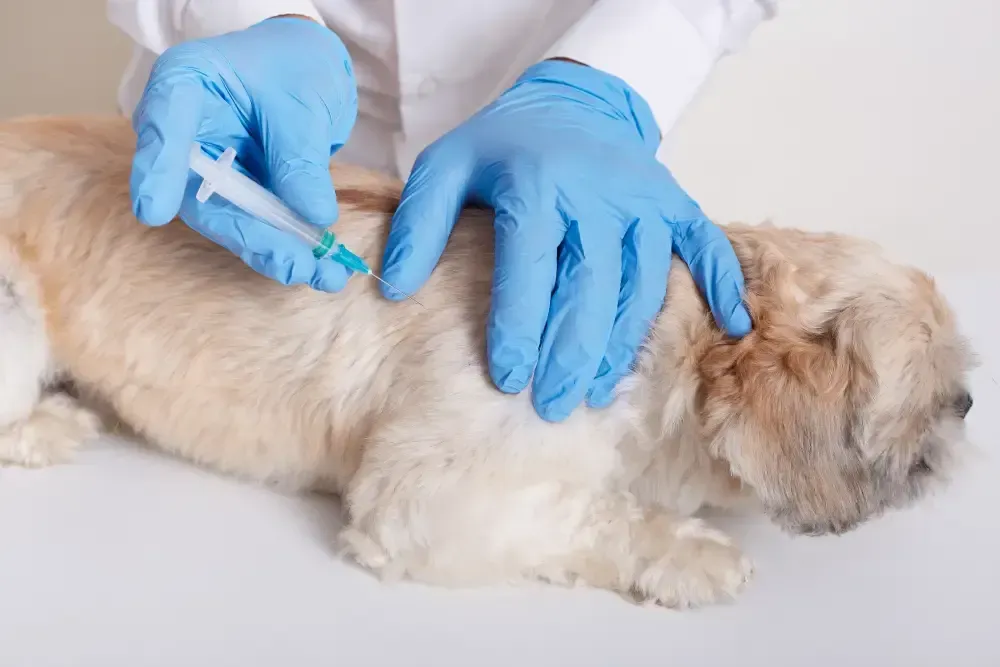
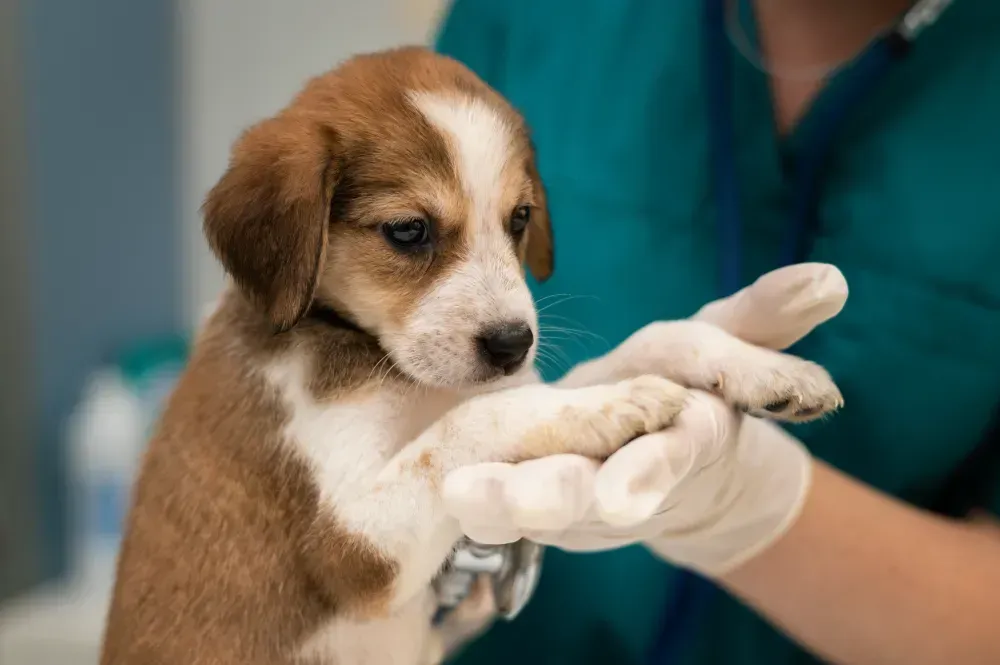
Puppy Vaccinations in Ames IA
By Michael Rayburn December 19, 2025
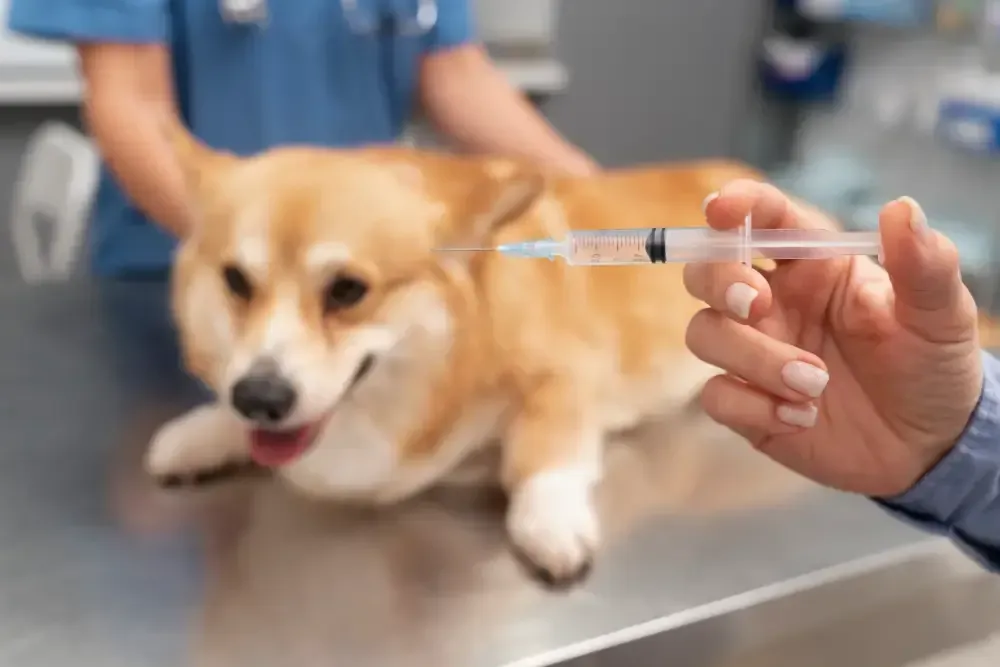
Puppy vaccinations in Ames, IA at Pet Medical Center keep your puppy protected with safe, timely shots and compassionate veterinary care.
Pet Dental Services in Ames IA
By Michael Rayburn December 19, 2025
Maintaining your pet’s oral health is one of the most important—and often overlooked—parts of preventive veterinary care. Dental disease can affect not only your pet’s teeth and gums but also their heart, liver, and kidneys if left untreated. At Pet Medical Center of Ames , dental care is approached with precision, safety, and long-term wellness in mind. If you’re wondering what professional pet dental services include and when they’re necessary, this guide explains how veterinary dentistry works and how it protects your pet’s overall health. Why Professional Pet Dental Care Matters Most pets show signs of dental disease by the age of three. Plaque buildup, tartar accumulation, and gum inflammation can progress silently, causing pain and infection long before symptoms become obvious. Professional veterinary dental care goes far beyond cosmetic cleaning. It involves: Preventing periodontal disease Identifying hidden oral issues early Reducing chronic pain and inflammation Protecting internal organs from bacteria entering the bloodstream Routine dental evaluations and cleanings are a cornerstone of preventive care at Pet Medical Center of Ames . What Dental Services Are Offered at Pet Medical Center of Ames? Pet Medical Center of Ames provides comprehensive pet dental services tailored to each pet’s age, breed, and oral health condition. Professional Dental Cleanings (Prophylaxis) Dental cleanings remove plaque and tartar both above and below the gumline , where bacteria commonly cause periodontal disease. These cleanings are performed under anesthesia to ensure thorough treatment and your pet’s comfort and safety. Digital Dental X-Rays Many dental problems occur beneath the gumline and cannot be seen during a visual exam alone. Digital dental radiography allows veterinarians to: Detect tooth root infections Identify bone loss Evaluate tooth stability Plan precise treatment This technology ensures no hidden issues are missed and allows images to be shared with specialists if advanced care is required. Periodontal Therapy When gum disease is present, targeted periodontal treatments help slow progression, reduce infection, and preserve healthy teeth. Early intervention can often prevent the need for more invasive procedures later. Tooth Extractions When Necessary If a tooth is severely damaged or infected, extraction may be the healthiest option for your pet. The veterinary team prioritizes pain management and proper healing to ensure a smooth recovery. Specialty Referrals for Advanced Dental Needs For complex procedures such as root canals or advanced oral surgery, Pet Medical Center of Ames works closely with trusted veterinary dental specialists to ensure continuity of care. 👉 Learn more about these services on the official Pet Dental Care page . How Often Should Pets Receive Dental Care? Most pets benefit from: Annual dental exams Regular professional cleanings , based on oral health findings At-home dental care , such as brushing and dental chews Your veterinarian will recommend a personalized dental schedule based on your pet’s breed, age, and risk factors. Signs Your Pet May Need Dental Attention Pet owners in Ames should watch for: Bad breath Red or bleeding gums Difficulty eating or chewing Pawing at the mouth Loose or discolored teeth If you notice any of these symptoms, scheduling a dental evaluation promptly can prevent more serious health issues. Trusted Pet Dental Care in Ames, IA Pet Medical Center of Ames combines modern technology, experienced veterinary care, and compassionate treatment to deliver reliable dental services for pets in Ames and surrounding communities. Their commitment to thorough diagnostics and preventive care ensures pets receive the highest standard of oral health treatment. For detailed information or to schedule a dental evaluation, visit the Pet Dental Services page .
dog vaccinations
By Michael Rayburn November 27, 2025
Ames, Iowa, is more than just a charming college town—it’s a vibrant community with a deep sense of culture, tradition, and excitement that thrives year-round. Whether you’re a lifelong resident, a student at Iowa State University, or a traveler looking for an authentic Midwest experience, there’s always something happening in Ames. From music and art festivals to sporting events and local markets, the city’s annual events bring people together in celebration of creativity, community, and local pride. Let’s explore the must-see annual things to do and see in Ames, IA, so you can plan your calendar for a year full of fun and unforgettable experiences.  Ames Main Street Farmers’ Market and the Joy of Community Life Every spring through fall, Ames Main Street Farmers’ Market transforms downtown Ames into a lively hub of community energy. Typically running from May through October, this weekly event showcases local farmers, artisans, and food vendors offering fresh produce, baked goods, flowers, handmade crafts, and more. The aroma of roasted coffee and freshly baked bread fills the air, and live musicians create a festive atmosphere for visitors. What makes this market special is not just the goods you can buy—it’s the connection it fosters. Families stroll together, students grab breakfast before heading to class, and local businesses thrive thanks to the steady flow of people supporting small enterprises. It’s a celebration of Ames’ local spirit, and attending even once will make you want to return week after week. Furman Aquatic Center and Summer Fun with the Family When summer heats up, one of the most refreshing annual traditions in Ames is heading to the Furman Aquatic Center. Opening every year around Memorial Day weekend, this popular attraction features water slides, a lazy river, and zero-depth entry pools perfect for kids. Families from across Story County look forward to cooling off here during Iowa’s hot summer days. The center also hosts special events such as Family Nights, themed swims, and youth activities, making it a highlight of the summer calendar. It’s more than just a swimming pool—it’s a place where Ames families create lasting memories year after year. Cyclone Football: Fall Spirit at Jack Trice Stadium Autumn in Ames means one thing—Cyclone football season. Each fall, Jack Trice Stadium becomes the heartbeat of the city as Iowa State University fans fill the stands with cardinal and gold. The spirit, the energy, and the sense of pride that come with cheering on the Cyclones make this one of the most cherished annual traditions in Ames. Tailgating before the game is an event in itself, with fans gathering to grill, play games, and share stories. Whether you’re a die-hard fan or just love being part of a lively community celebration, Cyclone football games are a must-see experience every fall. Dog Shots and Spring Celebrations: Ames’ Paws in the Park Event As the snow melts and spring blooms, one of Ames’ most beloved community events takes place—Paws in the Park. This annual spring festival celebrates pets and their owners with contests, vendors, and local animal organizations coming together to promote pet health and fun. It’s the perfect time for pet owners to catch up on dog shots and other routine care, as many local veterinarians offer discounted services during the event. From dog vaccinations and obedience demonstrations to adoption drives, the event combines entertainment with education. It’s an excellent opportunity to socialize pets, meet other dog lovers, and learn about the best ways to care for furry family members. In addition to pet-related booths, visitors can enjoy local food trucks, music, and games. Whether you’re participating in the dog parade or just soaking up the sunshine, Paws in the Park is a feel-good way to welcome spring in Ames. Ames Art Walk: A Creative Evening Downtown The Ames Art Walk is one of the most colorful and inspiring annual events in the city. Held every June, this downtown celebration highlights local artists, musicians, and performers. Businesses transform into mini galleries, showcasing everything from paintings and sculptures to photography and handcrafted jewelry. Live music fills the streets as attendees explore the exhibits, meet artists, and enjoy refreshments. The event is free and family-friendly, making it an easy addition to any summer schedule. It’s a great way to experience the local creative scene and appreciate the artistic talent thriving in Ames. Octagon Art Festival: A Celebration of Creativity Another major artistic highlight is the Octagon Art Festival, one of Iowa’s longest-running art festivals, held every September. Featuring over 100 artists from across the Midwest, the event takes over downtown Ames with booths displaying fine art, pottery, photography, fiber art, and more. Visitors can watch live demonstrations, participate in art activities, and purchase one-of-a-kind pieces. Food vendors and live entertainment round out the experience, creating a day that celebrates both creativity and community. The Octagon Art Festival is a must-attend for anyone who appreciates artistry and craftsmanship. Iowa State Fair Week Activities in Ames While the famous Iowa State Fair takes place in Des Moines, Ames has its own vibrant schedule of community events that complement the fair spirit. During this time, many Ames restaurants, shops, and community centers host themed specials, mini fairs, and live entertainment. Local organizations often hold fundraisers, children’s events, and outdoor movie nights, keeping Ames buzzing with excitement during fair season. For those who prefer smaller crowds but still want the fun of fair festivities, Ames provides plenty of opportunities to join in the excitement right at home. Ames Oktoberfest: A Toast to Tradition When fall rolls around, Ames residents and visitors celebrate with Oktoberfest, a lively event full of beer, food, and music. Local breweries and restaurants serve up traditional German fare—pretzels, bratwursts, and of course, craft beer. Held annually in downtown Ames, this event captures the fun and flavor of the season. With live bands, dancing, and family-friendly games, Oktoberfest brings people together in good spirits (and good beer). It’s one of those events that perfectly blends Ames’ local culture with international traditions. Ames Winter Farmers’ Market: Keeping the Spirit Alive Even when the weather turns cold, Ames’ commitment to local produce and craftsmanship doesn’t stop. The Winter Farmers’ Market, held at various indoor locations, brings the community together to enjoy fresh foods, baked goods, and seasonal treats throughout the colder months. It’s a cozy and cheerful event that supports local producers and gives residents a reason to get out and connect during the winter. The market often features holiday-themed weekends, live entertainment, and family activities, making it a favorite annual tradition for many Ames residents. Iowa State University VEISHEA Legacy Events Though the original VEISHEA celebration has changed over the years, its legacy lives on through various campus and community events that celebrate student achievement and university pride. Throughout the year, Iowa State University hosts cultural festivals, homecoming events, and open houses that capture the spirit of VEISHEA’s history. These events showcase the university’s commitment to innovation, diversity, and education. Attending these celebrations is a great way to experience the vibrant energy that ISU brings to Ames year-round. Fourth of July Fireworks and Festivities Few events unite the Ames community quite like Independence Day celebrations. Every year, Ames hosts a spectacular Fourth of July festival featuring a parade, live music, family activities, and, of course, an impressive fireworks show. The main festivities often take place at Bandshell Park and nearby areas, drawing large crowds who gather to enjoy an evening of patriotic pride and community spirit. It’s a highlight of the summer and a tradition cherished by residents and visitors alike. Summer Concert Series at Bandshell Park Music lovers can look forward to the annual Summer Concert Series at Bandshell Park, which runs throughout the warmer months. These free concerts feature local and regional artists performing everything from jazz and blues to rock and folk. The relaxed outdoor setting makes it the perfect way to unwind after a long week. Pack a picnic, bring a blanket, and enjoy the sounds of summer under the stars. It’s one of the most laid-back and enjoyable ways to experience Ames’ community spirit. Ames Annual Snow Magic and Holiday Kickoff As winter approaches, the city transforms into a festive wonderland for the Snow Magic celebration. This annual event, held in late November, marks the beginning of the holiday season in downtown Ames. Local businesses decorate their storefronts, carolers fill the streets with music, and the lighting of the community Christmas tree brings joy to visitors of all ages. Families can take part in holiday crafts, visit Santa, and enjoy horse-drawn carriage rides. Snow Magic perfectly captures the warmth and charm of Ames during the holidays, making it one of the most anticipated annual events of the year. Ames Eco Fair and Earth Day Celebrations Environmental awareness takes center stage during the annual Ames Eco Fair and Earth Day events, typically held in April. These gatherings promote sustainability through workshops, exhibits, and eco-friendly vendors. Visitors can learn about composting, renewable energy, and ways to live greener lives. It’s a great educational event for families, students, and anyone interested in protecting the planet. The festival often features fun hands-on activities for kids and opportunities for community volunteering, reinforcing Ames’ commitment to environmental responsibility. Ames Greek Food Fair For food lovers, the Ames Greek Food Fair is a can’t-miss annual event. Hosted by St. George Greek Orthodox Church, the fair features authentic Greek cuisine, traditional music, and cultural performances. From gyros and baklava to Greek coffee and souvlaki, the event offers a delicious taste of Greece right in the heart of Iowa. It’s a celebration of culture, flavor, and community that brings people together every year. Ames’ Annual Downtown Restaurant Week Every year, foodies look forward to Ames Restaurant Week, a citywide culinary celebration featuring exclusive menus, discounts, and tasting events at local eateries. It’s a chance for residents and visitors alike to sample the diverse cuisine Ames has to offer—from farm-to-table restaurants to international flavors. Restaurant Week not only supports local businesses but also encourages community members to explore new dining experiences. It’s one of the tastiest annual traditions in Ames, offering something for every palate. Ames Annual Book Festival and Literary Events Book lovers will appreciate the Ames Book Festival, which celebrates literature, authors, and readers of all ages. The event features author talks, writing workshops, and storytelling sessions. Libraries, bookstores, and community spaces across Ames participate in hosting events that foster a love for reading. It’s a wonderful opportunity to meet local authors, exchange ideas, and connect with other book enthusiasts. The Ames Book Festival underscores the city’s appreciation for arts, education, and culture. Ames Annual Charity Runs and Community Races Throughout the year, Ames hosts several charity runs and community races that attract participants from across Iowa. Events like the Ames Half Marathon, Color Run, and Turkey Trot not only promote fitness but also raise funds for local charities and organizations. These races offer an inclusive, supportive atmosphere for runners of all levels. Whether you’re competing seriously or walking with friends, the spirit of togetherness and goodwill makes every event rewarding. Ames Vintage Car Show and Summer Cruise Nights Classic car enthusiasts can look forward to the Ames Vintage Car Show, a summer event that draws collectors and fans from across the state. Downtown Ames becomes a showcase of polished chrome, gleaming paint, and automotive history. The event often features live music, local food vendors, and awards for standout vehicles. It’s a nostalgic celebration that combines craftsmanship, community, and the timeless love of cars. Ames Annual Science and Nature Festivals With Iowa State University’s strong emphasis on science and research, Ames also hosts events like the Science and Nature Festival and STEM Exploration Day. These educational festivals encourage curiosity through interactive exhibits, experiments, and presentations by experts. Families and students alike enjoy learning about everything from robotics and biology to astronomy and environmental science. It’s a reflection of Ames’ innovative spirit and its connection to higher education and discovery. Make Ames Your Destination Year-Round From art and music to sports and science, Ames, IA, offers an incredible lineup of annual events that showcase its dynamic and inclusive community. Each season brings something new and exciting, ensuring there’s always a reason to explore, celebrate, and connect. Whether you’re attending a football game, enjoying the farmers’ market, or celebrating local art, Ames guarantees memorable experiences all year long. Pet Care in Ames: Keep Your Furry Friends Healthy at Pet Medical Center If you’re a pet owner in Ames, ensuring your companion’s health is just as important as enjoying the city’s vibrant events. Pet Medical Center , located right here in Ames, IA, provides comprehensive veterinary care for dogs and cats, including preventive health services like dog vaccinations and routine checkups. Their experienced veterinarians prioritize personalized care, helping keep pets happy, active, and protected from common diseases. Whether your pet needs dog shots , dental care, or a wellness exam, Pet Medical Center is committed to maintaining your pet’s health year-round. With a caring staff, modern facilities, and a focus on compassionate service, Pet Medical Center is a trusted partner for pet owners throughout Ames. It’s one more reason why living in this welcoming community is such a joy—not just for people, but for pets, too. Pet Medical Center 1416 S Duff Ave, Ames, IA 50010, United States (515) 232-7204 https://www.pmcofames.com/
animal hospital
By Michael Rayburn October 7, 2025
Trusted animal hospital offering compassionate veterinary care, wellness exams, surgeries, and emergency services for pets.
exotic vet
By Michael Rayburn September 5, 2025
Expert exotic vet care for birds, reptiles, and small mammals. Compassionate treatment tailored to your pet’s unique needs.
veterinary clinic
By Michael Rayburn August 19, 2025
Compassionate veterinary clinic offering expert pet care, wellness exams, vaccinations, and emergency services to keep your pets healthy.
By Michael Rayburn July 7, 2025
Compassionate care for your furry friends! Visit our pet clinic for expert veterinary services and a healthy, happy life for your pets.