
Pet Vaccinations in Ames, IA
Vaccinating your pet protects everyone, including the other members of your family. Some vaccinations are given shortly after birth and others are administered every one to three years to keep your pet protected and safe.
Vaccines can be broken into two categories; core vaccines and lifestyle vaccines. Check out our vaccine knowledge base below:

These are the vaccines we recommend every dog (or puppy) receives (annually) to ensure they and your family are kept safe. AAHA vaccine guidelines consider the following vaccines core:
- Bordatella (Kennel Cough) with or without canine parainfluenza: Both puppies and unvaccinated adults receive a single intranasal dose. Thereafter annual boosters are recommended for high-risk animals. We consider this to be a core vaccine because all dogs have exposure to other canines.
- DHPP. Prevents canine distemper, adenovirus (hepatitis), parvovirus, and parainfluenza: All puppies should receive at least 3 doses between the ages of 8 to 16 weeks administered 3 – 4 weeks apart. All puppies should also receive a one year booster. Unvaccinated adults require 2 doses at 3 – 4 week intervals. Annual vaccination is not recommended in adults. This is why it's common to see a 3 year vaccination interval after their 1 year booster.
- Leptospira: Puppies should receive 2 doses between the ages of 12 to 16 weeks administered 3 – 4 weeks apart. All puppies should receive a one year booster. Unvaccinated adults should receive 2 doses 3 – 4 weeks apart. Annual vaccinations are recommended thereafter. We consider Leptospirosis a core vaccine because we see clinical cases every year.
- Rabies: State statutes dictate rabies vaccine protocols. In Iowa, puppies should receive one dose as early as 4 months. All puppies receive a 1 year booster. Thereafter a dog may go to 3 year vaccination intervals. Unvaccinated adults receive a single dose, a booster at 1 year and boosters every 3 years thereafter. Boosters must be done by the original administration date or the animal will require a 1 year booster.
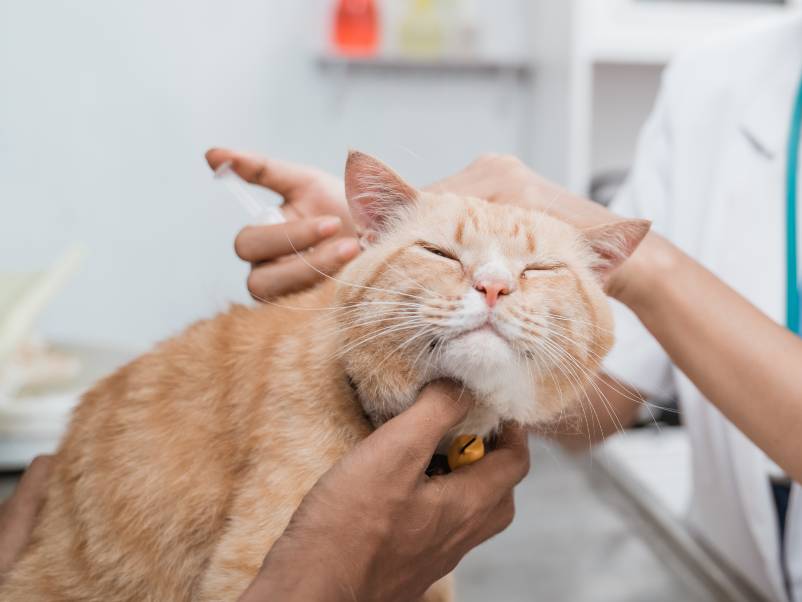
Cats need to be vaccinated just as much as other pets. Core vaccines are recommended for all cats to protect against diseases that are commonly found in the environment. That means there is a realistic risk of exposure, infection, and the development of a disease (this is particularly the case with kittens). The following vaccines are considered core:
- Feline Panleukopenia: All kittens should receive this vaccine as early as 6 weeks and then at 3-4 week intervals until 16 weeks of age. All kittens should receive a 1-year booster. Non vaccinated adults should receive 2 doses 3-4 weeks apart. Annual vaccination is not recommended in all adult cats. A 2-year vaccination cadence is common.
- Feline Rhinotracheitis: All kittens should receive this vaccine as early as 6 weeks of age and then in 3-4 week intervals until 16 weeks of age. All kittens should receive a 1-year booster. Non vaccinated adults should receive 2 doses 3- weeks apart. Annual vaccination is not recommended in all adult cats. A 2-year vaccination cadence is common.
- Feline Calicivirus: All kittens should receive this vaccine as early as 6 weeks of age and then in 3-4 week intervals until 16 weeks of age. All kittens should receive a 1-year booster. Non vaccinated adults should receive 2 doses 3-4 weeks apart. Annual vaccination is not recommended in adult cats. A 2-year vaccination cadence is common.
- Rabies: State and local statutes determine how often Rabies vaccines are administered. In Iowa, a single dose is required as early as 12 weeks of age. All kittens should receive a 1-year booster. Non vaccinated adults receive 1 vaccine and a booster 12 months later. Thereafter adults can receive Rabies vaccination in 3-year intervals provided it is given on schedule. Otherwise, another 1-year booster will be required.
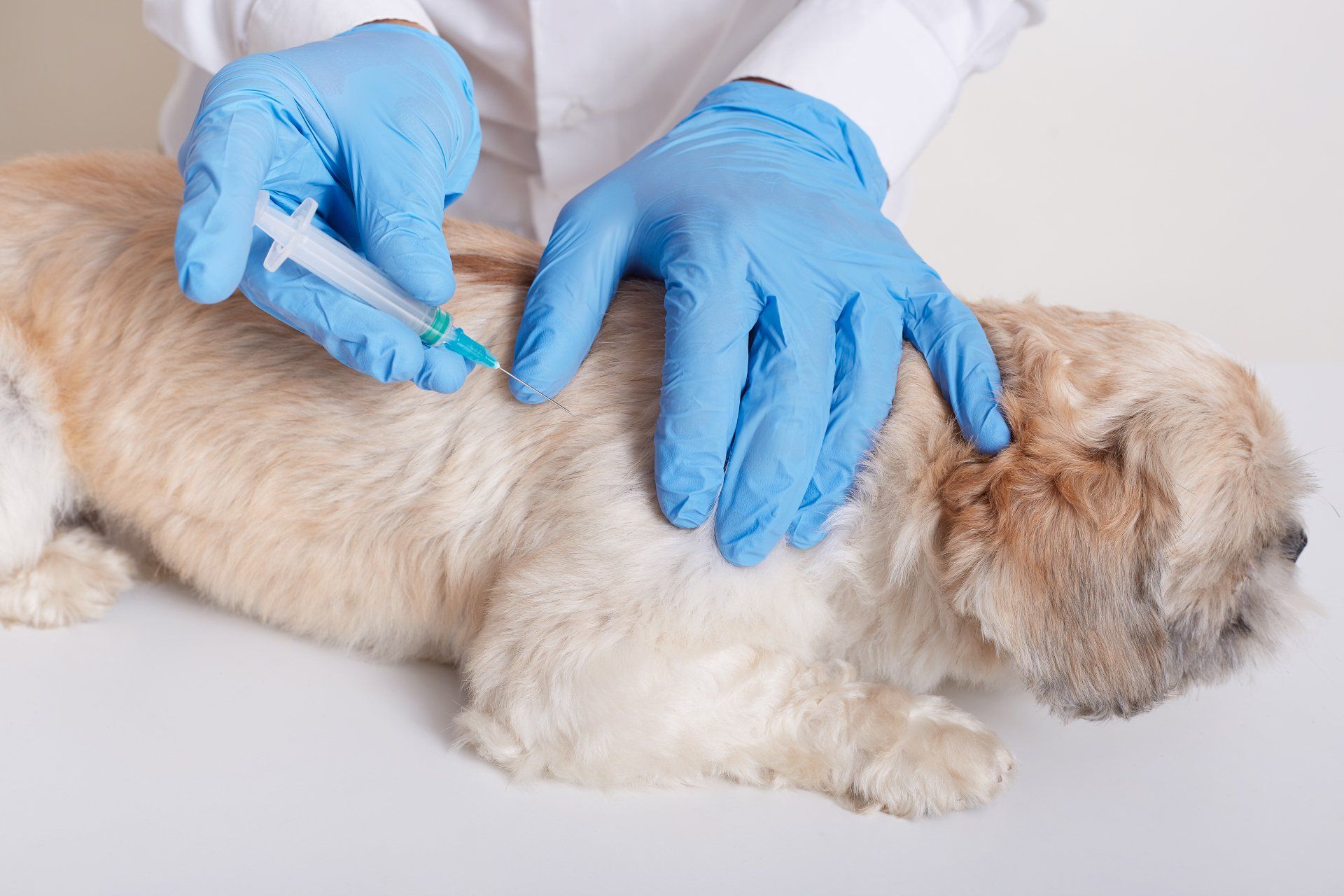
Non-core vaccines are recommended for those individuals who are at risk for exposure to certain infectious agents. An example would be recommending Lyme vaccine for a pet that has had tick (which are known to transmit Lyme disease) infestation in the past or frequents areas that are known tick habitats. AAHA vaccine guidelines consider the following vaccines as non-core:
- Leptospira: Puppies should receive 2 doses between the ages of 12 to 16 weeks administered 3 – 4 weeks apart. All puppies should receive a one year booster. Unvaccinated adults should receive 2 doses 3 – 4 weeks apart. Annual vaccinations are recommended thereafter. We consider Leptospirosis a core vaccine because we see clinical cases every year.
- Borrelia burgdorferi (Lyme disease): Puppies should receive 2 doses. The first at 12 weeks and the second 3 – 4 weeks later. Unvaccinated adults should receive 2 doses at 3 – 4 week intervals. Annual boosters are recommended thereafter. Vaccination is recommended for those animals who live in or visit areas where exposure to tick vectors is high or animals who live in an area where the disease is considered to be endemic.
- Canine Coronavirus: AAHA does not recommend this vaccine since clinical cases rarely occur.
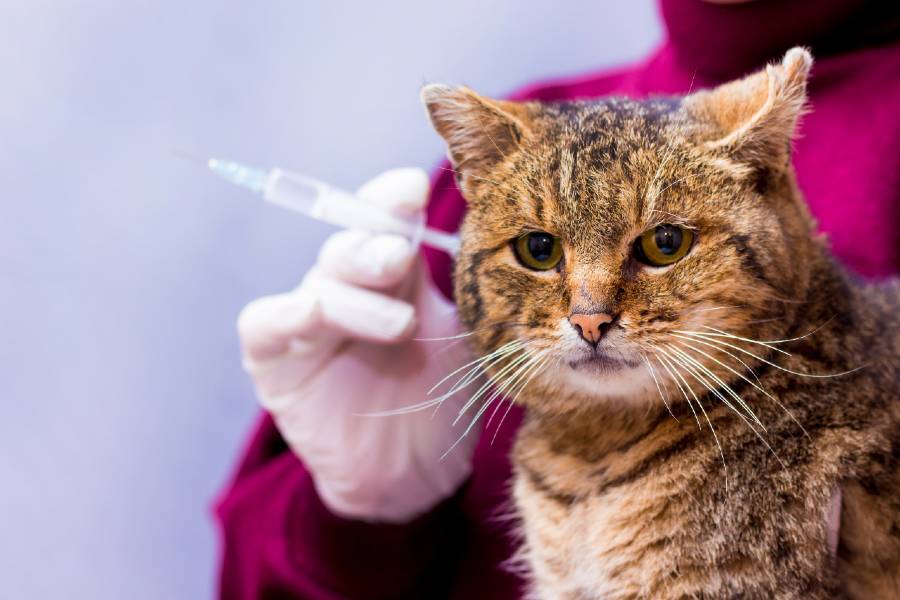
Non-core vaccines are recommended for those individuals who are at risk for exposure to certain infectious agents. The following vaccines are considered noncore:
- Feline Leukemia: Feline Leukemia testing and vaccination is strongly recommended for all kittens and for individuals whose health is compromised. Kittens test negative for the virus prior to vaccination. Two doses are administered as early as 12 weeks of age and 3-4 weeks later. Only cats that are at risk (such as those who go outdoors) should be vaccinated at yearly intervals thereafter.
- FIP: Generally not recommended due to concern about whether the vaccine is effective or not.
- Feline Chlamydophila and Bordatella: only recommended when the diseases are present in multi-cat environments.
Can pets have negative reactions to the vaccines?
On rare occasions, some animals may react to a vaccine. This could cause a low-grade fever, muscle aches, or less commonly more severe reactions such as diarrhea, vomiting, anaphylaxis or death. It is more common in young and toy breed dogs and may manifest as a decrease in appetite or increased sleepiness for a day or two. Some components that may produce a strong reaction can be left out of future vaccines. If your pet has had a vaccine reaction in the past don’t skip future vaccinations, but do discuss it with us so that we can prevent a recurrence.
Frequently Asked Questions
What vaccinations does Pet Medical Center of Ames recommend for puppies?
At Pet Medical Center of Ames (located on S Duff Ave serving Ames and surrounding communities including Ankeny, Boone, Gilbert, Huxley, Nevada, and Roland), core puppy vaccines include DHPP (distemper, hepatitis, parvovirus, parainfluenza), Bordetella (kennel cough), Leptospira, and rabies. Puppies typically begin vaccinations between 6–8 weeks with boosters every 3–4 weeks until around 16 weeks. A one-year booster follows, then routine intervals based on guidelines. These prevent highly contagious diseases common in Iowa’s climate and community settings.
Why are core vaccines important for cats at Pet Medical Center of Ames?
Pet Medical Center of Ames emphasizes core cat vaccines (panleukopenia, rhinotracheitis, calicivirus, and rabies) because these diseases are widespread and pose significant health risks in cats of all ages. Beginning as early as 6 weeks of age for kittens, core vaccines are given in multiple doses and followed by boosters to ensure strong immunity. The clinic’s approach balances protection with minimizing unnecessary boosters for adult cats.
How often should my dog get vaccinated in Ames, IA?
At Pet Medical Center of Ames, vaccination schedules follow AAHA guidelines and Iowa state requirements. Core vaccines like rabies may transition to every three years after initial series and boosters, while others such as Bordetella and Leptospira often remain annual, especially for dogs at high exposure risk. Your veterinarian will tailor timing based on age, lifestyle, and risk factors.
Does Pet Medical Center offer lifestyle (non-core) vaccines?
Yes. Beyond core vaccines, Pet Medical Center of Ames provides lifestyle vaccines (e.g., Lyme, feline leukemia) recommended depending on your pet’s activities and exposure risks. For example, dogs that frequent wooded tick habitats may benefit from Lyme vaccination. These are evaluated case-by-case during wellness exams.
Are vaccine reactions common, and what does Pet Medical Center do about them?
Vaccine reactions at Pet Medical Center of Ames are rare but can include temporary lethargy or mild fever. In more unusual cases, pets might experience gastrointestinal upset or allergic reactions. The team monitors patients and adjusts future vaccine components if reactions occur while still protecting your pet’s health. Communication about past reactions helps tailor care.
Can I schedule vaccinations during a wellness exam at Pet Medical Center?
Yes. Vaccinations at Pet Medical Center of Ames are typically administered as part of comprehensive wellness exams. These visits allow vets to assess overall health, discuss parasite prevention, and determine the most appropriate vaccines for your pet’s age, health status, and risk profile.
What diseases do rabies vaccines protect against and what is the schedule?
Rabies vaccines protect pets and the Ames community from the fatal rabies virus. In Iowa, puppies can begin rabies vaccination around 4 months. A one-year booster follows, then every three years if given on schedule. Pet Medical Center of Ames ensures compliance with local laws and effective immunization timing.
How much does vaccination cost at Pet Medical Center of Ames?
Exact vaccine pricing isn’t listed online, but Pet Medical Center of Ames combines expert care with competitive rates typical for full-service veterinary hospitals. Contacting the clinic directly (515-232-7204) ensures current pricing and allows staff to bundle vaccines cost-effectively during wellness visits.
Does Pet Medical Center vaccinate exotic pets?
While vaccinations are most commonly for dogs and cats at Pet Medical Center of Ames, they also provide care for select exotic pets as part of their broader service lineup. Vaccine protocols for exotic species vary and are developed individually.
When is the best age to start vaccinations for kittens at Pet Medical Center?
Kittens at Pet Medical Center of Ames typically start their core vaccine series as early as 6 weeks old, with subsequent doses every 3–4 weeks until about 16 weeks. A one-year booster then transitions to longer intervals based on health and exposure assessments.