Specialized Care for Unique Companions: Navigating the Complexity of Exotic Pet Wellness in 2026
When a homeowner in Ames, IA, decides to welcome a bearded dragon, a Holland Lop rabbit, or a green-cheeked conure into their family, they are stepping into a world of specialized biological needs. These "non-traditional" pets offer incredible companionship, but they also possess physiological systems that differ vastly from the common dog or cat. In the heart of Story County, as we navigate the agricultural and academic hub of the state, the demand for a qualified Exotic Veterinarian has never been higher.
The primary challenge of owning a reptile, bird, or small mammal is their inherent evolutionary drive to mask illness. In the wild, showing weakness makes an animal prey. Consequently, by the time a pet owner notices their guinea pig is "a bit quiet" or their iguana has "lost its appetite," the underlying condition is often quite advanced. At Pet Medical Center, we treat these unique species with a deep understanding of their specific environmental and medical requirements. This guide is designed to help local owners understand the technical necessity of specialized care and why the role of an Exotic Veterinarian is pivotal in ensuring these extraordinary animals thrive in an Iowa climate.
1. The Survival Paradox: Why Early Detection is Critical
For an exotic pet, "acting normal" is a survival mechanism. This "masking phenomenon" means that the traditional wait-and-see approach to pet health can be catastrophic for a bird or a small mammal.
Metabolic Speed and Decline
Small mammals, such as hamsters and gerbils, have incredibly high metabolic rates. A disease that might take weeks to affect a Labrador can overwhelm a small rodent in forty-eight hours. An Exotic Veterinarian looks for the "micro-signs" of illness—subtle changes in fecal output, slight alterations in grooming habits, or minute fluctuations in weight—that are invisible to the untrained eye.
Reptilian Stasis
On the opposite end of the spectrum, reptiles have slower metabolisms, which can lead to a deceptive "slow-motion" illness. A leopard gecko suffering from metabolic bone disease (MBD) may continue to move and eat for months while its skeletal structure slowly weakens. Professional intervention is required to identify these chronic conditions before they reach a terminal stage.
2. Environmental Engineering: The Foundation of Exotic Health
In Ames, IA, our external environment is defined by dramatic swings. We experience sweltering, humid summers and bone-chilling, dry winters. For an exotic pet, these external changes are a direct threat to their internal stability.
Humidity Management in the Iowa Winter
During an Iowa winter, indoor heating systems strip the air of moisture. For tropical species like ball pythons or certain parrots, this dry air can lead to respiratory infections and "dysecdysis" (incomplete shedding). An Exotic Veterinarian doesn't just treat the pet; they act as an environmental consultant, helping owners adjust misting systems and hygrometers to maintain a life-sustaining micro-climate within the home.
Thermal Gradients and UV-B Requirements
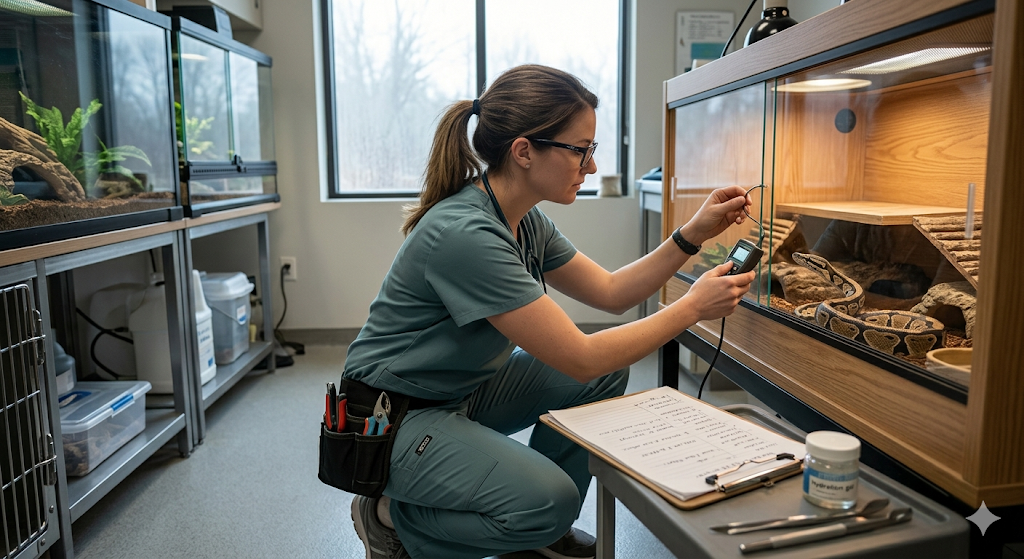
Reptiles are ectothermic, meaning they rely on external heat to drive their digestion and immune function. Furthermore, most require specific wavelengths of UV-B light to synthesize Vitamin D3. Without this, they cannot absorb calcium, leading to painful fractures and neurological tremors. We provide technical audits of enclosure setups to ensure that the heat gradients and lighting arrays are scientifically appropriate for the specific species.
3. The Avian Challenge: Respiratory and Nutritional Precision
Birds are perhaps the most sensitive patients an Exotic Veterinarian encounters. Their respiratory systems are incredibly efficient but also highly vulnerable to airborne toxins.
Aerosol Sensitivities in the Home
Many homeowners are unaware that common household items—such as non-stick cookware (PTFE), scented candles, or certain cleaning agents—can be fatal to a bird. Because birds use air sacs as part of their breathing process, they "process" toxins much faster than mammals. We provide comprehensive safety education to ensure the home environment is a safe harbor.
The All-Seed Diet Fallacy
One of the most common issues we see in 2026 is malnutrition in parrots fed exclusively on seeds. Seeds are high in fat and low in essential vitamins like Vitamin A. This leads to fatty liver disease and poor feather quality. Transitioning a bird to a high-quality formulated pellet diet is a clinical necessity that we manage through gradual behavioral modification strategies.
4. Small Mammal Dentistry: A Constant State of Growth
Rabbits, guinea pigs, and chinchillas are "hypsodonts," meaning their teeth grow continuously throughout their lives. This biological trait is an adaptation for grinding down tough, fibrous vegetation, but in a domestic setting, it can lead to "malocclusion."
Malocclusion and Molar Spurs
If a rabbit’s diet is too soft, the teeth do not wear down at the same rate they grow. This results in sharp "spurs" that can lacerate the tongue or cheeks, causing the animal to stop eating. Since these animals have a unique digestive process called "hindgut fermentation," a cessation of eating (GI Stasis) is a medical emergency.
Technical Dental Imaging
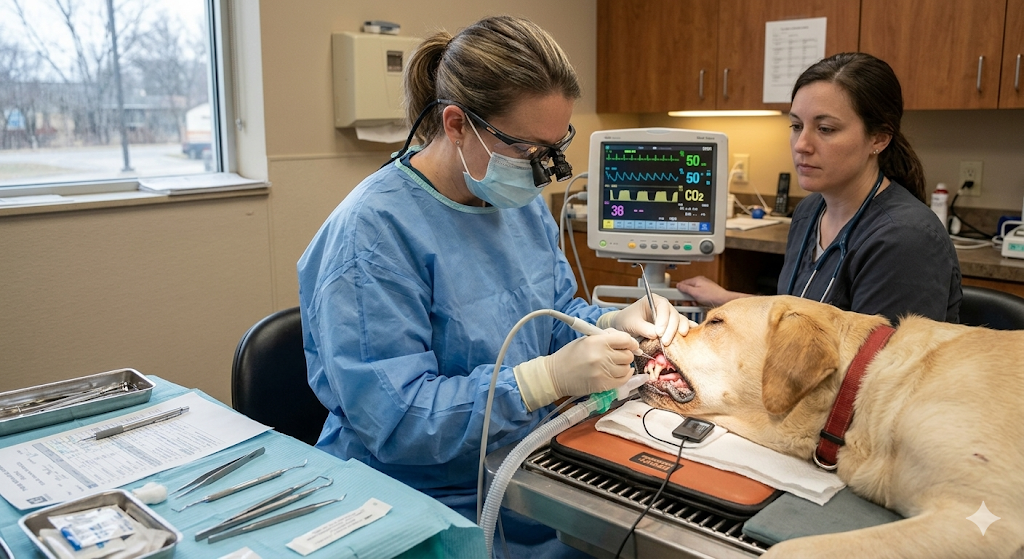
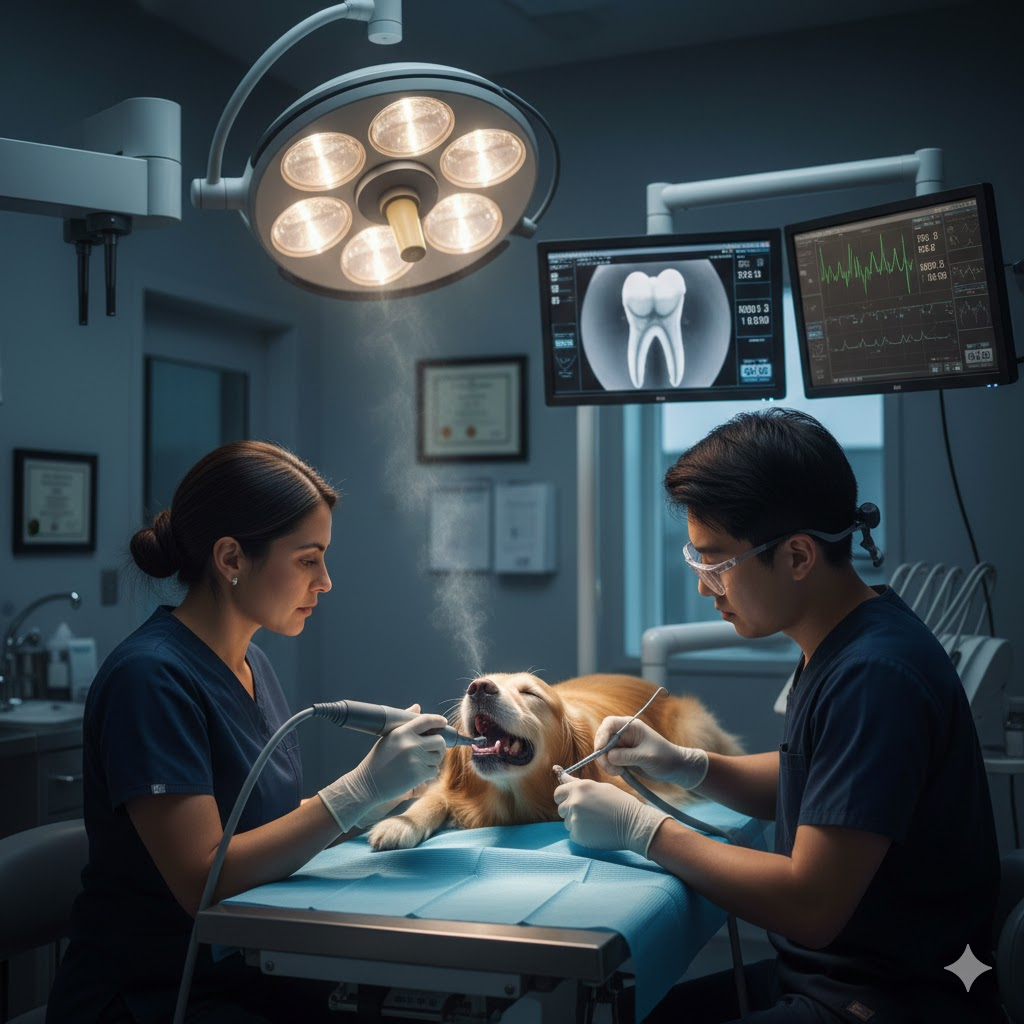
Because we cannot see the molars at the back of a small mammal’s mouth without specialized equipment, we utilize endoscopic cameras and digital radiography. An Exotic Veterinarian at Pet Medical Center can perform precision dental "filing" or trimming to restore the proper bite alignment, allowing the pet to return to normal foraging behaviors.
5. Diagnostic Advancements in Exotic Medicine for 2026
Treating a 30-gram canary or a 5-pound rabbit requires different tools than those used for a 70-pound dog. In 2026, diagnostic technology has evolved to provide high-resolution insights into even the smallest patients.
Microsample Bloodwork
Traditional blood draws can be risky for very small animals. We utilize "microsampling" techniques that require only a few drops of blood to perform a full biochemical profile. This allows us to check kidney and liver function in a hamster or a cockatiel without compromising their circulatory volume.
Ultrasound and Endoscopy
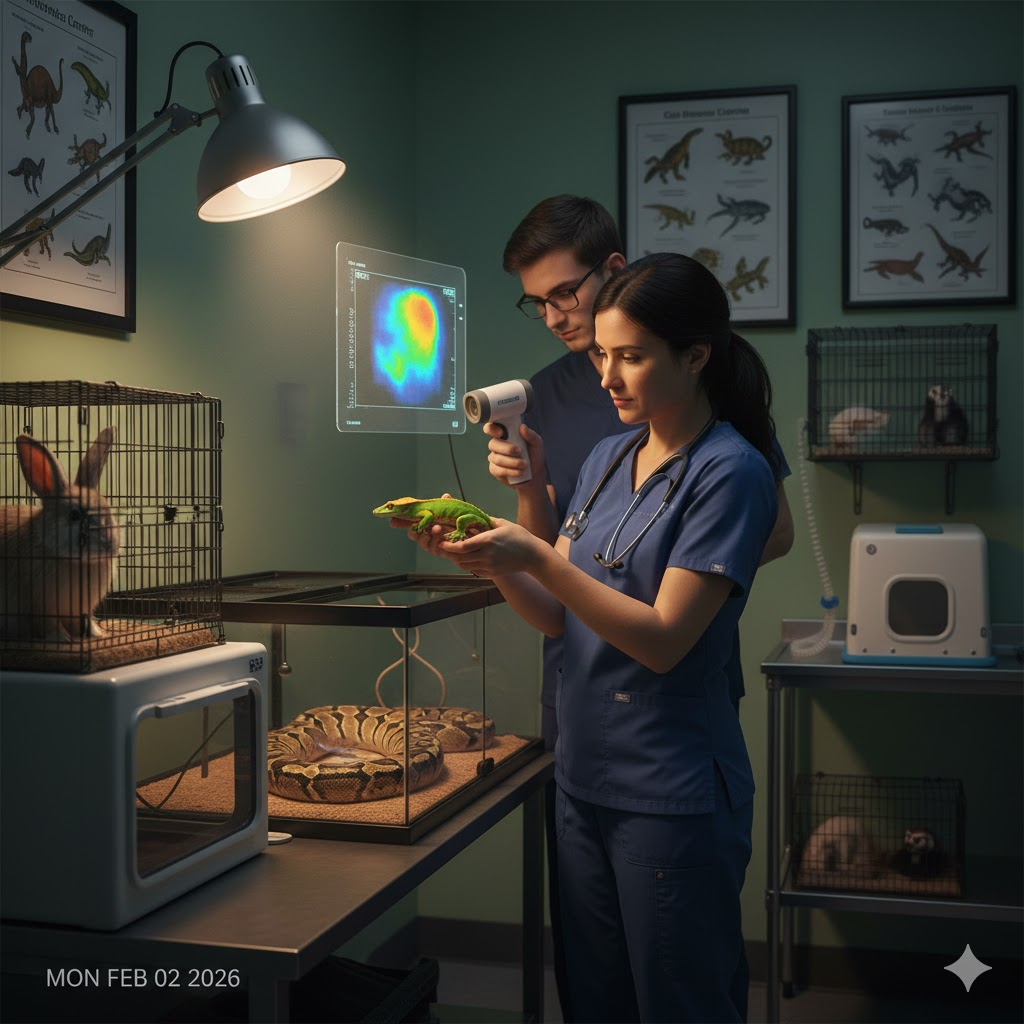
Because exotic pets are often too small for traditional palpation to yield definitive results, we use high-frequency ultrasound to visualize internal organs. Endoscopy allows us to look inside the throat of a turtle or the ear canal of a rabbit with minimal invasiveness. These tools are central to our exotic pet services, providing a level of detail that was impossible a decade ago.
6. Reproductive Health: The "Hidden" Risks in Small Species
Many exotic pets suffer from reproductive issues that are rarely discussed in general veterinary circles. These conditions are often hormonal and can be life-threatening if not addressed by a specialist.
Chronic Egg Laying in Birds
Female cockatiels and lovebirds can become "chronic layers," which depletes their bodies of calcium and can lead to "egg binding"—where an egg becomes stuck in the reproductive tract. This is a surgical emergency. We utilize hormonal implants and environmental lighting adjustments to "turn off" the reproductive cycle and protect the bird’s bone density.
Uterine Adenocarcinoma in Rabbits
Unspayed female rabbits have an incredibly high risk (up to 80% in some breeds) of developing uterine cancer by age four. This is why we advocate for preventative surgery. As an experienced Exotic Veterinarian, we perform these procedures with specialized anesthesia protocols designed specifically for the fragile respiratory systems of lagomorphs.
7. The Role of Foraging and Behavioral Enrichment
Exotic pets are often highly intelligent and easily bored. In 2026, we recognize that mental health is inextricably linked to physical health in these species.
Environmental Enrichment for Parrots
A bored parrot will often turn to "feather picking" or self-mutilation. We help owners design foraging toys that require the bird to "work" for their food, mimicking their natural behaviors in the wild. This reduces cortisol levels and prevents the development of stereotypic behaviors.
Scavenging for Small Mammals
Guinea pigs and rats benefit from complex tunnel systems and varied textures. By encouraging these natural movements, we prevent obesity and "pododermatitis" (bumblefoot), a painful infection of the foot pads caused by sedentary lifestyles on inappropriate bedding.
8. Preventative Wellness: The Annual Exotic Exam
Because of the "masking phenomenon" mentioned earlier, the annual wellness exam is the most important tool in an Exotic Veterinarian’s arsenal.
Weight Tracking and Body Condition
A weight loss of just 5 grams in a small bird can represent a 10% loss of body mass. We use gram scales to track minute changes that indicate the early stages of metabolic disease.
Fecal Parasitology
Many reptiles and small mammals carry subclinical levels of parasites that can bloom into a full-blown infection during times of stress (such as an Iowa temperature swing). Regular fecal screenings ensure that these "hitchhikers" are kept in check, protecting the pet’s ability to absorb nutrients.
9. Anesthesia and Surgery: A Specialized Approach
One of the primary reasons owners hesitate to seek medical care for exotic pets is a fear of anesthesia. It is true that "traditional" dog/cat anesthesia is not suitable for a ferret or a lizard.
Precision Intubation and Monitoring
Exotic pets require specialized anesthetic gases and micro-intubation tubes. At Pet Medical Center, we use sophisticated monitoring equipment to track the heart rate of a bird (which can exceed 400 beats per minute) and the oxygen saturation of a reptile.
Heat Support During Surgery
Because exotic pets lose body heat rapidly under anesthesia, we use heated surgical tables and forced-air warming blankets. Maintaining a stable core temperature is often the most critical factor in a successful surgical outcome for a small mammal or reptile.
10. Frequently Asked Questions (FAQ)
Q: Do I really need to take my hamster to an Exotic Veterinarian? A: Yes. While they are small, hamsters are prone to specific conditions like "wet tail" (proliferative ileitis) which can be fatal within 24 hours. A specialist understands the narrow window of treatment for these small rodents.
Q: Is it okay to keep my turtle in a tank with just water? A: Most turtles require a "basking spot" where they can completely dry off under a heat lamp. Constant immersion without the ability to dry can lead to shell rot (SCUD), a painful bacterial or fungal infection that eats through the shell.
Q: Why is my rabbit sneezing? A: Sneezing in rabbits is often a sign of "Snuffles" (Pasteurella multocida), a highly contagious respiratory infection. Because rabbits are obligate nasal breathers, any respiratory congestion is a serious threat to their ability to oxygenate.
Q: Can I catch anything from my reptile? A: Many reptiles naturally carry Salmonella in their intestinal tracts. While it doesn't usually make the reptile sick, it can be dangerous for humans, especially children or the elderly. We provide guidance on proper hygiene and handling to keep the whole family safe.
11. The Lifecycle of an Exotic Pet: From Juvenile to Senior
As exotic pet medicine has improved, we are seeing these animals live much longer. A bearded dragon can live 15 years, and some parrots can live 50 to 80 years. This longevity requires a shifting medical focus over the animal’s life.
Juvenile Nutrition and Growth
In the early years, the focus of an Exotic Veterinarian is on skeletal development and preventing nutritional deficiencies. This is the "window of opportunity" to establish good eating habits and ensure proper bone density.
Senior Care and Arthritis
In 2026, we are managing arthritis in senior rabbits and kidney disease in aging ferrets. We use specialized pain management protocols—including laser therapy and species-specific medications—to ensure these animals remain comfortable and mobile in their golden years.
12. Why Ames Pet Owners Choose Specialized Expertise
Choosing an Exotic Veterinarian is about finding a partner who speaks the "language" of your pet. At Pet Medical Center, our commitment to these species is rooted in a passion for the unusual and a respect for the complex biology of the "little guys."
We understand that a ferret is not a "long cat" and a parrot is not a "winged dog." Each species requires a unique diagnostic lens and a tailored treatment plan. Our facility is designed to provide a low-stress environment for these sensitive patients, ensuring that their visit to the doctor doesn't become a source of trauma.
Whether you are seeking advice on the best substrate for your leopard gecko, a dental checkup for your guinea pig, or a wellness exam for your Amazon parrot, we provide the professional authority and technical accuracy necessary to give your pet a long, vibrant life in Ames.
Conclusion: Honoring the Bond with the Extraordinary
Owning an exotic pet is a journey into a different branch of the tree of life. It is a commitment to understanding a creature whose needs are vastly different from our own. While the responsibility is great, the reward of a bond with a sentient bird, a curious ferret, or a stoic reptile is immeasurable.
By prioritizing the expertise of an Exotic Veterinarian, you are ensuring that your pet isn't just surviving, but thriving. You are providing them with an environment that respects their evolutionary history and a medical plan that understands their unique physiology. In the ever-changing climate of Ames, IA, this specialized care is the bridge between a shortened lifespan and a decade of companionship.
At Pet Medical Center, we are proud to be a part of that journey. We invite you to explore our Exotic Pet Services and join a community of owners dedicated to the highest standard of non-traditional pet care.